Mesothelioma Lawyer Missouri: Legal Help for Gary Works Asbestos Exposure
If you worked at U.S. Steel Gary Works — or lived with someone who did — you may be entitled to significant compensation for an asbestos-related illness. A mesothelioma lawyer in Missouri can help you pursue claims before the filing deadline closes. Missouri’s statute of limitations gives you five years from diagnosis, but pending legislation could currently set at five years — with retroactive effect.
Understanding Asbestos Exposure at U.S. Steel Gary Works
A Century of Asbestos Use in Steel Manufacturing
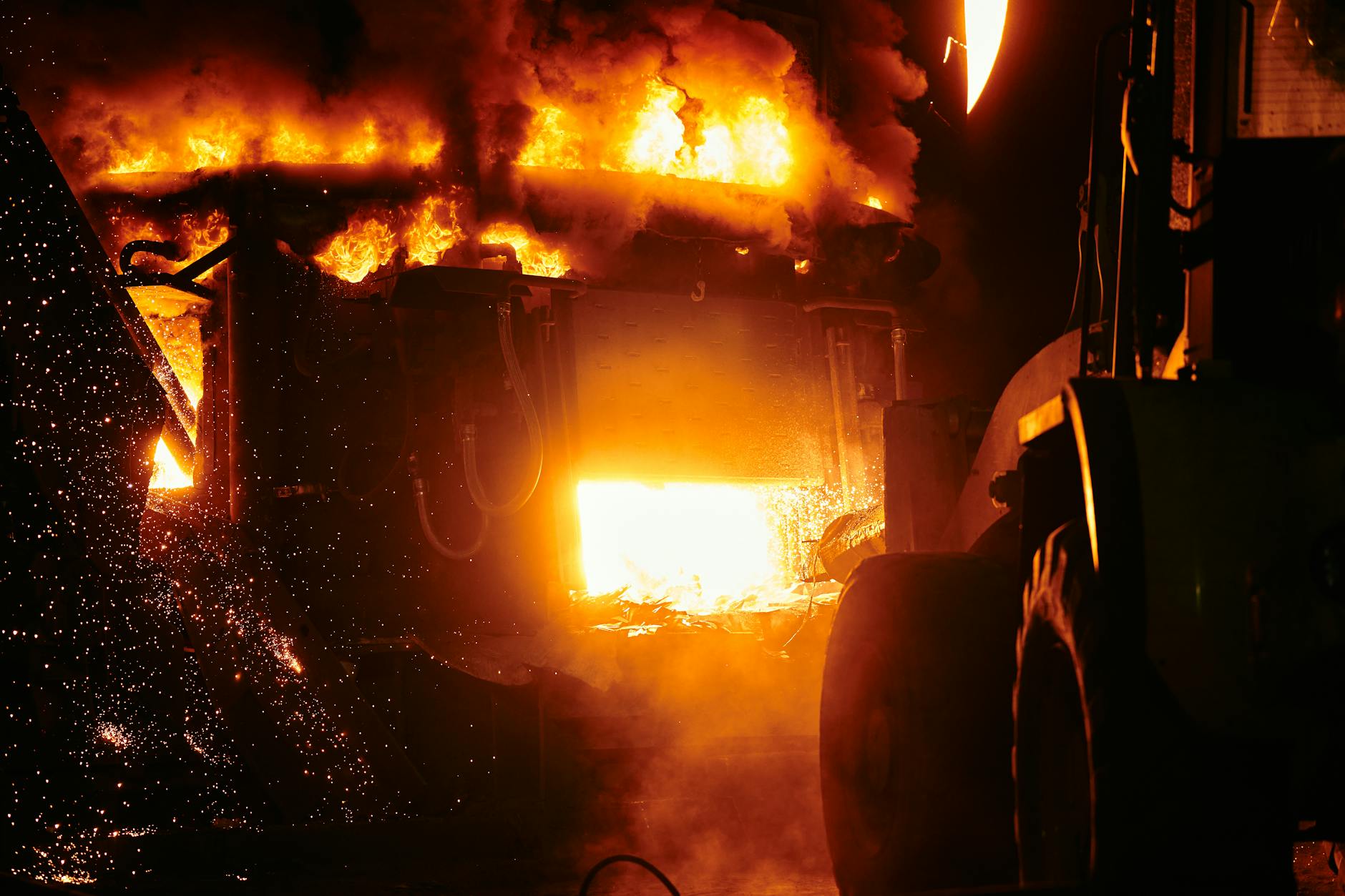
Built in 1906 along Lake Michigan’s southern shore, Gary Works became one of the most asbestos-intensive industrial facilities in America. For nearly 80 years, asbestos was embedded in virtually every major production area — blast furnaces, coke batteries, power generation systems, and hundreds of miles of piping — all relying on asbestos-containing insulation, gaskets, and thermal barriers manufactured by companies like Johns-Manville and Owens-Corning.
Workers from Missouri and Illinois regularly commuted to Gary Works or transferred between facilities in the interconnected Mississippi River industrial corridor. They are alleged to have brought asbestos fibers home on their clothing, exposing family members who never set foot inside the plant.
Why Asbestos Was Everywhere in Steel Production
Steel manufacturing demanded materials that could withstand extreme heat and pressure. Asbestos was cheap and effective — which is why it was the default choice for:
- Pipe insulation on superheated steam lines
- Boiler wrapping in power generation facilities
- Valve packing and gaskets in pressurized systems
- Refractory materials lining furnaces and kilns
The same industrial logic applied at Missouri facilities like Monsanto, Labadie Power Station, and Granite City Steel, creating regional exposure patterns that stretched across state lines.
When Asbestos Use Peaked — and Why the Timeline Matters for Your Case
1906–1930s: Early construction used asbestos liberally, with no respiratory protection and no safety protocols.
1940s–1960s: Wartime expansion drove maximum asbestos use. Missouri and Illinois skilled tradespeople crossed state lines routinely, multiplying exposure opportunities.
1970s: The EPA and OSHA began regulating asbestos, but materials already in place remained throughout operating Midwest facilities.
1980s–2000s: Formal abatement projects began — but workers dismantling asbestos-containing materials faced the heaviest airborne fiber concentrations of any era.
Your exposure decade matters because it directly affects which manufacturers are liable, which trust funds apply, and how causation experts will frame your case.
Which Trades Faced the Greatest Risk at Gary Works
Insulators and Heat and Frost Workers
Members of Heat and Frost Insulators Local 1 (St. Louis area) faced the heaviest documented exposure. They applied and removed asbestos-based pipe insulation, installed thermal barriers on furnaces, and handled pre-fabricated asbestos blankets — often in confined spaces with no ventilation. The fiber concentrations in those conditions were among the highest recorded in industrial hygiene literature.
Pipefitters, Steamfitters, and Plumbers
UA Local 562 members working Gary Works’ complex piping systems reportedly encountered continuous asbestos exposure: asbestos-wrapped pipes, asbestos gaskets and packing, boiler rooms lined with asbestos products. Steamfitters faced particularly intense exposure because their work required constant contact with insulated systems under pressure.
Boilermakers, Welders, and Electricians
These trades are alleged to have experienced significant secondary exposure:
- Boilermakers worked directly adjacent to asbestos-wrapped boilers and pressure vessels
- Electricians handled asbestos-insulated wiring and cable trays
- Welders disturbed asbestos insulation every time they cut or joined pipe runs
Maintenance and Custodial Workers
Workers who swept asbestos debris, cleaned production areas, or worked near deteriorating materials inhaled fibers throughout their shifts. Secondary and bystander exposure has been medically documented to cause mesothelioma. Your diagnosis is not less valid because you were not the one applying the insulation.
Missouri’s Statute of Limitations: The 5-Year Window — And Why It May Shrink
Your Current Filing Deadline
Missouri Revised Statutes § 516.120 gives you five years from the date of diagnosis to file a personal injury claim for asbestos-related illness. For Gary Works victims, that means:
- Diagnosed in 2024? Deadline is 2029
- Diagnosed in 2023? Deadline is 2028
- Diagnosed in 2020? Your window closes in 2025 — contact an attorney today
Pending Legislation That Could Cut Your Time in Half
Two threats are moving through the Missouri legislature right now.
Companion legislation under active consideration would:
- Reduce the statute of limitations from five years to two years
- Cap punitive damages
- Shift proceedings toward defense-favorable venues
These bills have cleared committee. If the five-year limitation passes with retroactive language — and the current drafts include exactly that — your five-year window disappears without warning. Clients I speak to today who believe they have until 2028 may find themselves time-barred before they ever file.
Why Waiting Is Never Neutral
Every month you wait is a month that:
- Witnesses age, move, or die
- Employment records are lost or destroyed
- Medical experts’ schedules fill
- Trust funds deplete their reserves
- Legislative threats move closer to enactment
The Compensation Available to Gary Works Victims
Personal Injury Lawsuits
An asbestos attorney in Missouri can pursue claims against:
- Asbestos manufacturers (Johns-Manville, Owens-Corning, Kerr-McGee, among others)
- U.S. Steel for workplace negligence and failure to warn
- Distributors and contractors who supplied asbestos products to Gary Works
Mesothelioma settlements and verdicts in the Midwest regularly exceed $1 million. Verdicts in contested cases frequently exceed $5 million. Past results vary and do not guarantee future outcomes, but the liability record against these manufacturers is extensive and well-documented.
Asbestos Trust Fund Claims
Dozens of bankrupt asbestos manufacturers established trust funds totaling more than $30 billion specifically for victims like you. Trust claims run parallel to litigation — filing one does not bar the other.
Major trusts available to Gary Works victims include:
- Johns-Manville Asbestos Trust
- Owens-Corning Asbestos Trust
- Raymark Industries Trust
- Pneumo Abex Trust
- Georgia-Pacific Trust
Trust payouts typically range from $10,000 to more than $600,000, depending on your diagnosis and documented exposure. Trust claims carry their own deadlines — usually three years from diagnosis — so coordination with your lawsuit is essential from day one.
What Compensation Covers
Successful claims recover:
- Past and future medical expenses, including experimental treatment
- Lost wages and diminished earning capacity
- Pain and suffering
- Wrongful death damages for families of deceased victims
- Punitive damages for egregious manufacturer misconduct (subject to potential legislative caps — another reason to file now)
How a Missouri Asbestos Attorney Builds Your Case
Exposure Documentation
Your attorney will pull union records, company documents, OSHA inspection reports, and historical facility records to establish exactly where you worked, what products surrounded you, and which manufacturers supplied them. This is not guesswork — Gary Works is one of the most extensively documented asbestos facilities in American industrial litigation history.
Expert Witnesses
Winning an asbestos case requires more than a diagnosis. You need:
- Occupational exposure experts who can testify specifically about Gary Works conditions
- Medical experts confirming diagnosis and causation
- Product identification specialists linking specific products to specific manufacturers
- Economic damages experts calculating total loss
Venue Selection
While most Missouri resident cases are filed in Missouri state court, venue selection is a strategic decision that materially affects outcomes. Certain Missouri counties have stronger plaintiff histories. Additionally, Madison County and St. Clair County, Illinois — where Gary Works is geographically anchored — have historically produced some of the largest asbestos verdicts in the country and may be appropriate venues depending on your exposure circumstances.
The Regional Exposure Pattern That Strengthens Missouri Cases
Many Missouri victims worked at Gary Works and at Missouri facilities — Monsanto in St. Louis, Labadie Power Station, Portage des Sioux — under identical conditions. That cross-facility exposure history demonstrates the pervasiveness of manufacturer negligence, not an isolated workplace incident. It strengthens both liability arguments and damages.
Your Next Steps — Starting Today
Step 1: Get a confirmed diagnosis in writing. A definitive mesothelioma or asbestosis diagnosis from an oncologist or pulmonologist is the foundation of every claim. If you haven’t seen a specialist, do that first.
Step 2: Call a Missouri mesothelioma attorney before you do anything else. Do not contact U.S. Steel, accept any settlement offers, or sign any documents without legal counsel. Anything you say or sign can be used to limit your recovery.
Step 3: Pull your records. Employment records from Gary Works, union membership documents, coworker contact information, and any safety training records — or documentation that you received no warnings at all.
Step 4: Understand that trust fund and lawsuit deadlines run simultaneously. Your attorney will file both, but only if you contact them in time to meet both sets of deadlines.
Step 5: Stop waiting for your condition to stabilize before calling. Mesothelioma moves fast. Missouri asbestos law provides mechanisms for expedited trial scheduling for terminally ill plaintiffs — but only if your case is already filed.
The companies that manufactured and supplied the asbestos at Gary Works knew the risks for decades and said nothing. They have paid billions to victims who filed claims — and they are still paying. The only question is whether your family will be among them.
Call a Missouri mesothelioma attorney today. The deadline you don’t know about is the one that will bar your claim.
Litigation Landscape
Steel mills like U.S. Steel Gary Works historically relied on asbestos-containing products manufactured by major industrial suppliers. Primary defendants in asbestos litigation involving steel fabrication facilities have included Johns-Manville, Combustion Engineering, Crane Co., Babcock & Wilcox, and W.R. Grace. These manufacturers supplied insulation, gaskets, valves, pumps, and refractory materials widely used in steel production environments. Garlock and Armstrong also supplied gasket and packing products common in mill operations.
Workers diagnosed with mesothelioma or other asbestos-related diseases from steel mill exposure have accessed compensation through multiple channels. The Johns-Manville Asbestos Personal Injury Settlement Trust, Combustion Engineering Settlement Trust, and Crane Co. Asbestos Settlement Trust represent the largest and most frequently accessed funds for this industry sector. Babcock & Wilcox Trust, W.R. Grace Trust, and Garlock Sealing Technologies Trust have also resolved claims from steel mill workers. Each trust maintains specific claim procedures and documentation requirements tied to the manufacturers’ historical product lines.
Publicly filed litigation from steel mill workers demonstrates consistent patterns: claims typically allege occupational exposure during equipment maintenance, insulation work, pipe fitting, and machinery repair—tasks routine at large integrated mills. Co-workers and family members of mill employees have also pursued claims based on take-home exposure.
Given the complexity of identifying which asbestos manufacturers were present at a specific facility during a worker’s employment, and the technical requirements for trust fund claims, workers who may have been exposed at U.S. Steel Gary Works should contact an experienced Missouri asbestos attorney to evaluate their situation and pursue available compensation.
Missouri DNR Asbestos Notification Records
The following 3 project notification(s) are documented with the Missouri Department of Natural Resources (NESHAP program) for IPPE - Hercules in Louisiana. These are public regulatory records.
| Project ID | Year | Site / Building | Operation | ACM Removed | Contractor |
|---|---|---|---|---|---|
| A6155-2013 | 2013 | Ashland Hercules Inc. Missouri Chemical Works Facility | Renovation | 2000lf frbl TSI | Lakeshore Environmental Contractors LLC |
| A5898-2012 | 2012 | Ashland Hercules Inc. Missouri Chemical Works Facility | Renovation | 35553sf frbl TSI,17070sf frbl paint,1486sf frbl tar,6705sf n-f flr tile/mstc,… | Lakeshore Environmental Contractors LLC |
| 6181-2013 | 2012 | Ashland Hercules Inc Missouri Chemical Works Fclty | Demolition | floor tile, mastic, TSI, Transite, tar, paint (A5898-2012). Lakeshore Envrnm… | Mayer Pollock Steel Corporation |
Source: Missouri Department of Natural Resources, NESHAP Asbestos Abatement & Demolition/Renovation Notification Program — public regulatory records.
Recent News & Developments
U.S. Steel Gary Works, one of the largest integrated steel mills in North America, has a long operational history that intersects with documented asbestos exposure concerns. While no single major asbestos-specific enforcement action at Gary Works has dominated recent headlines, the facility’s ongoing operational and regulatory history provides important context for former workers and their families.
Operational Incidents and Labor Activity
Gary Works has experienced periodic labor disputes and work stoppages over the decades, including strikes involving United Steelworkers union members. Such work stoppages and subsequent returns to operation historically created conditions in which aging equipment, insulation, and fireproofing materials — many containing asbestos — were subject to disturbance. Additionally, the facility has reported industrial incidents, including fires and equipment failures in its blast furnace and coke oven operations, events that can dislodge asbestos-containing insulation, refractory materials, and pipe lagging in aging industrial infrastructure.
Regulatory and Environmental Activity
U.S. Steel Gary Works has faced ongoing scrutiny from both the U.S. Environmental Protection Agency and the Indiana Department of Environmental Management regarding air quality and hazardous materials. The facility is subject to National Emission Standards for Hazardous Air Pollutants (NESHAP) under 40 CFR Part 61, which governs asbestos emissions during demolition, renovation, and waste disposal at industrial sites. OSHA’s construction standard at 29 CFR 1926.1101 and the general industry standard at 29 CFR 1910.1001 apply to any asbestos-related work performed on-site. EPA enforcement records reflect periodic compliance reviews of large integrated steel facilities for hazardous air pollutant controls, including asbestos fiber management.
Demolition and Renovation
As sections of Gary Works have been idled, modernized, or decommissioned over the years, renovation and partial demolition activity at the sprawling complex has triggered NESHAP notification requirements. Older structures dating to the mid-twentieth century commonly contain asbestos in boiler insulation, pipe wrap, furnace refractory, floor tile, and roofing materials, all of which pose elevated exposure risks when disturbed without proper abatement protocols.
Product Identification and Manufacturer Links
Historical records and asbestos litigation involving large integrated steel mills consistently identify insulation products manufactured by Johns-Manville, Owens-Illinois, Owens Corning, Armstrong, Combustion Engineering, Babcock & Wilcox, and W.R. Grace as having been used in facilities of this type and era. Boiler lagging, high-temperature pipe insulation, gaskets, and furnace refractory commonly supplied to Gary Works during its peak production years have been the subject of supplier-level litigation across the steel industry.
Litigation Context
Asbestos litigation involving current and former Gary Works employees has appeared in Illinois and Indiana court records over multiple decades, with cases naming both U.S. Steel and various product manufacturers as defendants. Settlements and verdicts in comparable integrated steel mill cases have involved claims of mesothelioma, lung cancer, and asbestosis tied to routine maintenance and production work.
Workers or former employees of U.S. Steel Gary Works Gary Indiana Illinois workers asbestos exposure who were diagnosed with mesothelioma, lung cancer, or asbestosis may have legal rights under Missouri law. Missouri § 537.046 extends the civil filing window for occupational disease claims.
For informational purposes only. Not legal advice. No attorney-client relationship is created by reading this page. © 2026 Rights Watch Media Group LLC — Disclaimer · Privacy · Terms · Copyright