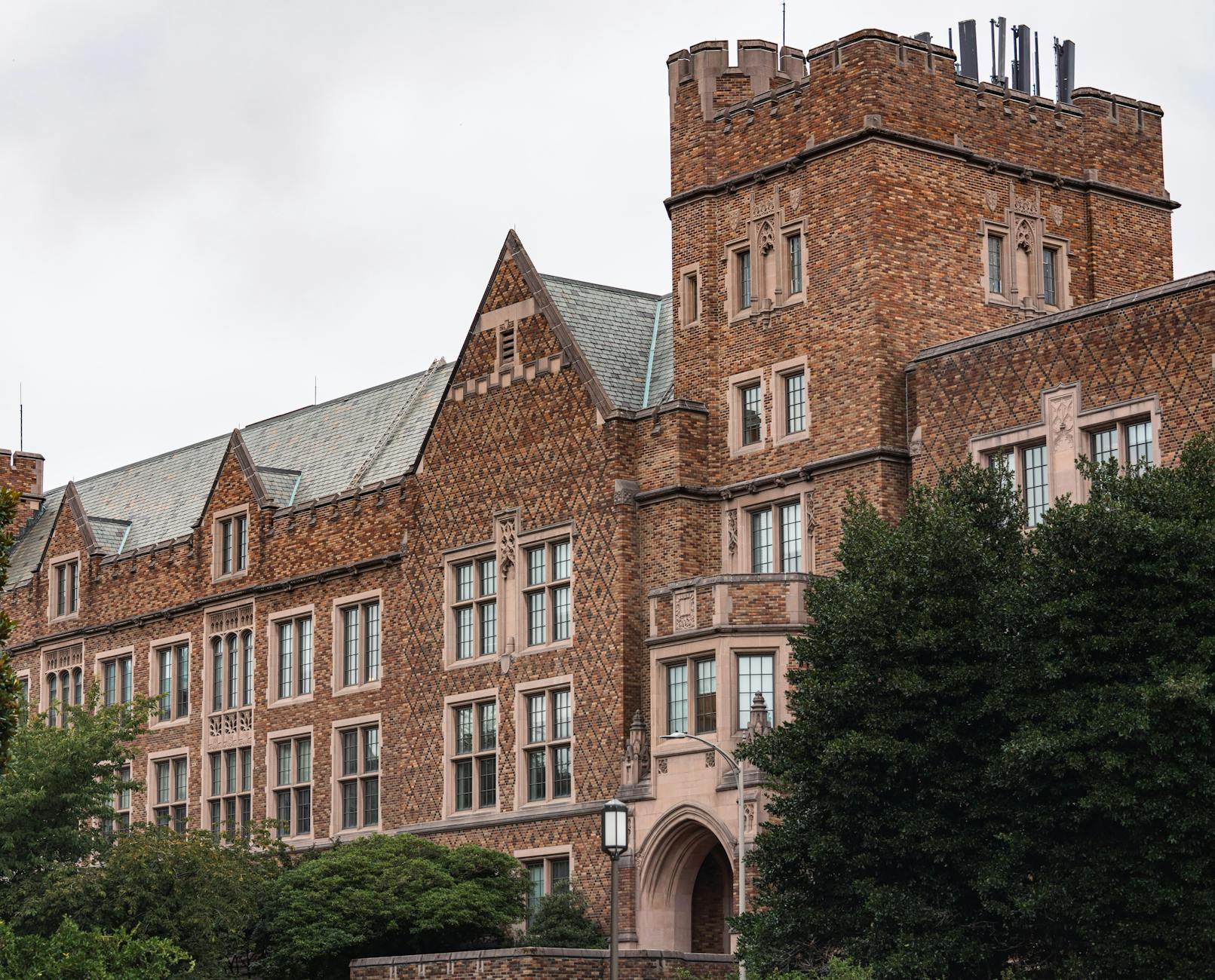
Asbestos Exposure at St. Elizabeth’s Hospital in Belleville, Illinois: What Workers, Families, and Former Employees Need to Know

Why This Matters Now

For decades, skilled tradespeople kept St. Elizabeth’s Hospital running—boilermakers tending steam systems, insulators from Heat and Frost Insulators Local 1 wrapping high-temperature pipes with Johns-Manville Kaylo and Owens Corning products, pipefitters from UA Local 562 maintaining distribution lines sealed with Garlock Sealing Technologies asbestos gaskets, electricians pulling wire through mechanical spaces lined with W.R. Grace Monokote fireproofing. Many of these workers handled asbestos-containing materials daily without knowing the invisible fibers they released could cause mesothelioma, asbestosis, and lung cancer 30 to 50 years later.

If you worked at St. Elizabeth’s Hospital in Belleville and have been diagnosed with mesothelioma, asbestosis, lung cancer, or pleural disease, you may need an experienced mesothelioma lawyer Missouri or asbestos attorney Missouri to evaluate your legal options against Johns-Manville, Owens Corning/Owens-Illinois, Garlock Sealing Technologies, Armstrong World Industries, Eagle-Picher Industries, W.R. Grace & Company, Combustion Engineering, Celotex Corporation, Georgia-Pacific, or Crane Co.—the manufacturers and suppliers of the products that allegedly exposed you.

URGENT FILING DEADLINE: Missouri’s statute of limitations for asbestos personal injury claims is 5 years from diagnosis under Mo. Rev. Stat. § 516.120. That window does not stay open. Contact an asbestos lawyer in St. Louis now while you have maximum time to build your case.


The Hospital: History and Asbestos Risk

St. Elizabeth’s Hospital was founded by the Hospital Sisters of St. Francis in the late nineteenth century and became one of the oldest healthcare facilities in southwestern Illinois. Through multiple expansions and renovations over its operational life, the hospital incorporated asbestos-containing products from major manufacturers serving regional healthcare facility contractors throughout the Metro East corridor. The hospital’s proximity to the Mississippi River industrial corridor meant many workers had asbestos exposure risks on both sides of the river, which can affect which state’s law governs your claim and where it can be filed.

Why Hospitals Used Asbestos

From the 1930s through the 1970s, hospitals like St. Elizabeth’s relied on asbestos-containing materials from Johns-Manville, Owens Corning, Armstrong World Industries, and Combustion Engineering because asbestos offered properties those manufacturers aggressively marketed as essential to hospital operations:

  • Heat resistance for steam systems operating at high temperatures and pressures (Johns-Manville Transite Pipe, Combustion Engineering boiler systems)
  • Fire suppression in surgical suites and laboratories (W.R. Grace Monokote spray-applied fireproofing, U.S. Mineral Products Cafco spray-applied fireproofing)
  • Thermal insulation for boilers, pipes, and mechanical systems (Johns-Manville Kaylo block insulation, Armstrong asbestos-containing pipe insulation, Owens Corning products)
  • Acoustic dampening in patient care areas (National Gypsum joint compound containing asbestos)
  • Electrical resistance for equipment and wiring systems (Armstrong products)

Hospital engineers and architects specified asbestos products for decades. What Johns-Manville, Owens Corning, Garlock Sealing Technologies, W.R. Grace, and other manufacturers are alleged to have deliberately concealed was the consequence: asbestos is one of the most potent occupational carcinogens ever documented.

Where Asbestos Was Present at St. Elizabeth’s

Central heating systems at St. Elizabeth’s Hospital reportedly contained asbestos throughout:

  • Boiler shells and fireboxes insulated with Johns-Manville asbestos block or Combustion Engineering asbestos-containing components
  • Steam and return piping insulated with Armstrong asbestos pipe covering or Johns-Manville products along their entire length
  • Valves, flanges, and fittings sealed with Garlock Sealing Technologies asbestos gaskets and A.W. Chesterton asbestos rope packing
  • Boiler doors and access panels lined with Johns-Manville or Babcock & Wilcox asbestos refractory cement
  • Turbines and pumps insulated and gasketed with Combustion Engineering or Armstrong asbestos products
  • Breachings and flue connections lined with Babcock & Wilcox asbestos-containing refractory cement
  • Floor tiles and ceiling systems throughout the facility (Armstrong vinyl asbestos floor tiles, GAF/Ruberoid vinyl asbestos tile, National Gypsum ceiling products)
  • Spray-applied fireproofing on structural steel in renovation areas (W.R. Grace Monokote fireproofing containing asbestos)

Asbestos-Containing Products at St. Elizabeth’s and Similar Facilities

Full product identification requires investigation of facility purchasing records and worker testimony. The products below were standard at comparable Midwestern hospital facilities during the relevant exposure periods—roughly 1930 through 1980—and were distributed through St. Louis Metro East medical facility contractors and building suppliers.

Pipe and Block Insulation Manufacturers

  • Johns-Manville Corporation — Kaylo-brand asbestos block insulation, asbestos pipe covering, Johns-Manville Transite rigid asbestos-cement pipe, and Unibestos products distributed throughout the Midwest; St. Louis-area purchasing records show Johns-Manville products were standard in regional hospital construction
  • Armstrong World Industries (formerly Armstrong Cork Company) — asbestos-containing pipe insulation, Armstrong vinyl asbestos floor tiles (Thermobestos formulations), and flooring products standard in Midwestern hospital renovation
  • Owens Corning Fiberglas / Owens-Illinois — asbestos-containing insulation products distributed during the 1930s–1970s operational period
  • Celotex Corporation — asbestos-containing insulation boards, roofing materials, and specialty products
  • Eagle-Picher Industries — asbestos-containing industrial insulation products across multiple applications
  • Georgia-Pacific — asbestos-containing insulation and building products distributed regionally
  • W.R. Grace & Company — Zonolite attic insulation and spray-applied fireproofing products

Boiler and Heating System Manufacturers

  • Combustion Engineering — boilers and components incorporating asbestos block insulation, asbestos gaskets, and asbestos-containing refractory cement; primary supplier to regional power plants and large institutional facilities
  • Babcock & Wilcox — boilers with asbestos block insulation, asbestos rope gaskets, and asbestos-containing refractory cement used in hospital steam systems
  • Foster Wheeler — boilers incorporating asbestos-containing components and insulation
  • Garlock Sealing Technologies — asbestos-containing gaskets and packing used throughout piping systems; industry standard for steam applications in hospitals, and directly comparable to products used at regional facilities like Labadie Energy Center and Rush Island Energy Center
  • A.W. Chesterton Company — asbestos rope packing and mechanical seals used in pump and valve applications
  • Crane Co. — asbestos-containing valves, fittings, and specialty components for heating systems

Flooring, Ceiling, and Spray-Applied Products

  • Armstrong World Industries — vinyl asbestos floor tiles (including Thermobestos formulations) and asbestos-containing mastics; standard product in hospital renovation work
  • GAF Corporation / Ruberoid Company — vinyl asbestos floor tile for institutional settings
  • National Gypsum — joint compound containing asbestos; standard in hospital renovation drywall installation
  • W.R. Grace & Company — Zonolite attic insulation, spray-applied fireproofing, and Monokote fireproofing spray containing asbestos in various formulations; commonly used in hospital renovation work
  • U.S. Mineral Products Company — Cafco spray-applied fireproofing products containing asbestos

Which Workers Were Exposed at St. Elizabeth’s Hospital

Asbestos exposure at St. Elizabeth’s affected multiple trades. The mechanical systems design meant craft workers encountered asbestos-containing materials in different ways throughout the facility. Regional union locals documented exposure patterns at comparable facilities across the Metro East industrial corridor.

Insulators (Heat and Frost Insulators Local 1)

Insulators from Heat and Frost Insulators Local 1 in St. Louis worked in direct and continuous contact with asbestos products. The union’s historical name—the International Association of Heat and Frost Insulators and Asbestos Workers—reflects how completely asbestos defined this trade.

Insulators at St. Elizabeth’s:

  • Mixed Johns-Manville Kaylo and asbestos-containing pipe covering cements by hand, generating clouds of fiber-laden dust without respiratory protection
  • Cut and fit Armstrong asbestos pipe covering sections and Johns-Manville Unibestos products using knives and saws, releasing substantial fiber quantities
  • Applied Eagle-Picher and Johns-Manville asbestos block insulation to boiler shells, with cutting and fitting creating significant airborne contamination
  • Removed existing Armstrong, Johns-Manville, and Combustion Engineering asbestos insulation during renovation and repair work—typically the highest-exposure activity in any mechanical trade
  • Applied W.R. Grace Monokote spray-applied fireproofing and asbestos-containing finishing cements over insulated pipe runs

Industrial hygiene research documents that mixing Johns-Manville asbestos cements and sawing Armstrong or Celotex pipe covering generated some of the highest fiber concentrations measured in any occupational setting. Insulators who worked regularly at St. Elizabeth’s during the 1940s through 1970s and rotated through comparable regional facilities—Labadie Energy Center, Portage des Sioux Power Plant, Granite City Steel—accumulated lifetime exposures placing them at very high risk for asbestos-related disease.

Pipefitters and Steamfitters (UA Local 562)

UA Local 562 pipefitters and steamfitters maintained steam heating systems throughout the facility. Their exposure came from:

  • Cutting into Armstrong and Johns-Manville asbestos-insulated pipe for repairs, modifications, or new tie-ins—either removing the insulation or cutting through it
  • Working alongside Heat and Frost Insulators Local 1 members, creating bystander exposure to Johns-Manville Kaylo dust and Armstrong insulation fibers
  • Breaking pipe flanges and valve bonnets, releasing asbestos fiber from Garlock Sealing Technologies gaskets and A.W. Chesterton asbestos rope packing
  • Replacing valve packing on steam valves throughout the system—packing was routinely Garlock Sealing Technologies asbestos-containing braided rope
  • Working in confined mechanical spaces where asbestos dust from disturbed Johns-Manville and Armstrong insulation accumulated on surfaces and in the air

Boilermakers

International Brotherhood of Boilermakers who installed, maintained, and repaired Combustion Engineering and Babcock & Wilcox boiler systems encountered asbestos through:

  • Handling Eagle-Picher and Johns-Manville asbestos block insulation during boiler installation and repair
  • Breaking and replacing Garlock Sealing Technologies and Babcock & Wilcox asbestos-containing gaskets on boiler access doors, hand holes, and connection points
  • Removing and installing Armstrong, Johns-Manville, and Combustion Engineering asbestos insulation during boiler replacements and major overhauls
  • Breathing asbestos dust that accumulated in boiler rooms from ongoing insulation work and disturbance of existing materials
  • Working with Babcock & Wilcox or Johns-Manville asbestos-containing refractory cements used to line boiler fireboxes and breachings

Electricians (IBEW Local)

Electricians working at St. Elizabeth’s during the relevant exposure period may have been exposed to asbestos through:

  • Pulling wire through mechanical chases and ceiling spaces lined with W.R. Grace Monokote or Cafco spray-applied fireproofing containing asbestos—fireproofing that crumbled and shed fibers when disturbed
  • Drilling and cutting through Armstrong vinyl asbestos floor tiles and National Gypsum asbestos-containing drywall to run conduit and junction boxes

Litigation Landscape

Hospital boiler rooms present a well-documented source of occupational asbestos exposure. At facilities like St. Elizabeth’s Hospital, maintenance workers, engineers, and trades employees faced significant contact with asbestos-laden insulation, gaskets, and pipe wrap commonly installed on industrial boilers and steam systems from the 1950s through the 1980s.

Litigation arising from hospital boiler asbestos exposure has historically named manufacturers including Johns-Manville, Combustion Engineering, Babcock & Wilcox, Crane Co., Armstrong, and Garlock—all major suppliers of asbestos insulation products to institutional heating systems. These companies distributed thermal insulation, valve packing, and equipment components that deteriorated and released fibers during routine maintenance and repair work.

Workers diagnosed with mesothelioma or asbestos-related lung disease from hospital exposure have pursued claims through multiple channels. The asbestos bankruptcy trusts established by Johns-Manville, Combustion Engineering, Babcock & Wilcox, Crane Co., Armstrong, and Garlock remain accessible to eligible claimants. Each trust maintains a claim process and compensates injuries based on established disease criteria and documented exposure history. Trust funds have been instrumental in resolving thousands of occupational asbestos claims nationwide.

Publicly filed litigation documents show that hospital maintenance workers and boiler room employees have pursued both trust claims and traditional lawsuits against solvent manufacturers. These cases typically rely on worker testimony regarding product handling, facility conditions, and lack of protective measures during the decades when asbestos hazards were known but inadequately disclosed.

If you worked in maintenance, engineering, or trades at St. Elizabeth’s Hospital Belleville or a similar facility and have developed an asbestos-related illness, an experienced Missouri mesothelioma attorney can evaluate your exposure history and available remedies.

Missouri DNR Asbestos Notification Records

The following 1 project notification(s) are documented with the Missouri Department of Natural Resources (NESHAP program) for MFA Oil Company in La Belle. These are public regulatory records.

Project IDYearSite / BuildingOperationACM RemovedContractor
12965-20262026former MFA Oil service stationDemolitionn-f window glazing (123lf)Pierce Trucking & Excavating

Source: Missouri Department of Natural Resources, NESHAP Asbestos Abatement & Demolition/Renovation Notification Program — public regulatory records.

Recent News & Developments

No facility-specific incidents, regulatory enforcement actions, or litigation records involving St. Elizabeth’s Hospital in Belleville, Illinois appear in currently available public records or news archives searched for this page. The absence of indexed records does not indicate the facility was free of asbestos hazards; rather, it reflects the limited public documentation typical of older institutional healthcare facilities where exposure histories were rarely litigated under the facility’s own name.

Regulatory Framework Applicable to This Facility

Hospitals of St. Elizabeth’s vintage — the facility operated under the Franciscan Sisters of Our Lady of Perpetual Help and served the Belleville, Illinois community for decades — would have been subject to federal asbestos regulations as they evolved. Under EPA NESHAP regulations codified at 40 CFR Part 61, Subpart M, any demolition or renovation involving regulated asbestos-containing materials (RACM) requires advance notification to state environmental agencies and supervised abatement prior to disturbance. The Illinois Environmental Protection Agency (IEPA) holds enforcement authority for NESHAP compliance within the state, and St. Clair County facilities would fall under IEPA Region 5 oversight.

Boiler rooms and mechanical spaces at hospitals constructed prior to the 1980s routinely incorporated asbestos-containing thermal insulation on boilers, steam pipes, and associated fittings — products historically supplied by manufacturers including Johns-Manville, Owens-Illinois, Combustion Engineering, Babcock & Wilcox, and Armstrong Cork Company. Workers performing routine boiler maintenance, pipe fitting, or insulation repair in such spaces faced chronic low-level fiber release that is well-documented in occupational health literature.

OSHA Considerations

Under OSHA 29 CFR 1926.1101 and 29 CFR 1910.1001, employers at facilities with existing asbestos-containing materials were and remain obligated to conduct exposure assessments, implement engineering controls, and provide appropriate respiratory protection. Maintenance workers, boiler operators, and HVAC contractors working in older hospital mechanical rooms represent a recognized at-risk population under these standards.

Renovation and Transition Activity

St. Elizabeth’s Hospital has undergone ownership transitions and facility changes over the years as part of broader healthcare consolidation in the Metro East Illinois region. Any significant structural renovation or partial decommissioning of older mechanical infrastructure would have required asbestos surveys and abatement under applicable NESHAP and IEPA requirements. Contractors and subcontractors engaged in such work may themselves be parties in asbestos-related claims.

Litigation Landscape

While no publicly reported verdicts or settlements specifically naming St. Elizabeth’s Hospital Belleville as a defendant in asbestos litigation have been identified, insulation workers, pipefitters, and stationary engineers who worked in similar Illinois hospital boiler rooms have successfully pursued claims against product manufacturers and insulation contractors in Illinois and Missouri courts.

Workers or former employees of St. Elizabeth’s Hospital Belleville Illinois asbestos insulation boiler who were diagnosed with mesothelioma, lung cancer, or asbestosis may have legal rights under Missouri law. Missouri § 537.046 extends the civil filing window for occupational disease claims.


For informational purposes only. Not legal advice. No attorney-client relationship is created by reading this page. © 2026 Rights Watch Media Group LLC — Disclaimer · Privacy · Terms · Copyright