Mesothelioma Lawyer Missouri: Legal Rights for Southwestern Illinois College Asbestos Exposure
Missouri residents diagnosed with mesothelioma or asbestos-related lung cancer have five years from diagnosis to file a claim. That deadline is not flexible. Call a mesothelioma lawyer Missouri today.
If you worked at Southwestern Illinois College’s Belleville campus in construction, maintenance, renovation, or skilled trades — or if a family member did — you may have been exposed to asbestos-containing materials manufactured by Johns-Manville, Owens Corning, Garlock Sealing Technologies, Armstrong World Industries, W.R. Grace, Eagle-Picher, and Combustion Engineering. These diseases develop silently over decades. Legal claims often remain available even after the worker has died.
A qualified asbestos attorney Missouri can identify which manufacturers supplied the products at your worksite and connect you with available compensation sources.
Part One: SWIC’s Asbestos Risk Profile
Why Southwestern Illinois College Was a High-Asbestos Environment
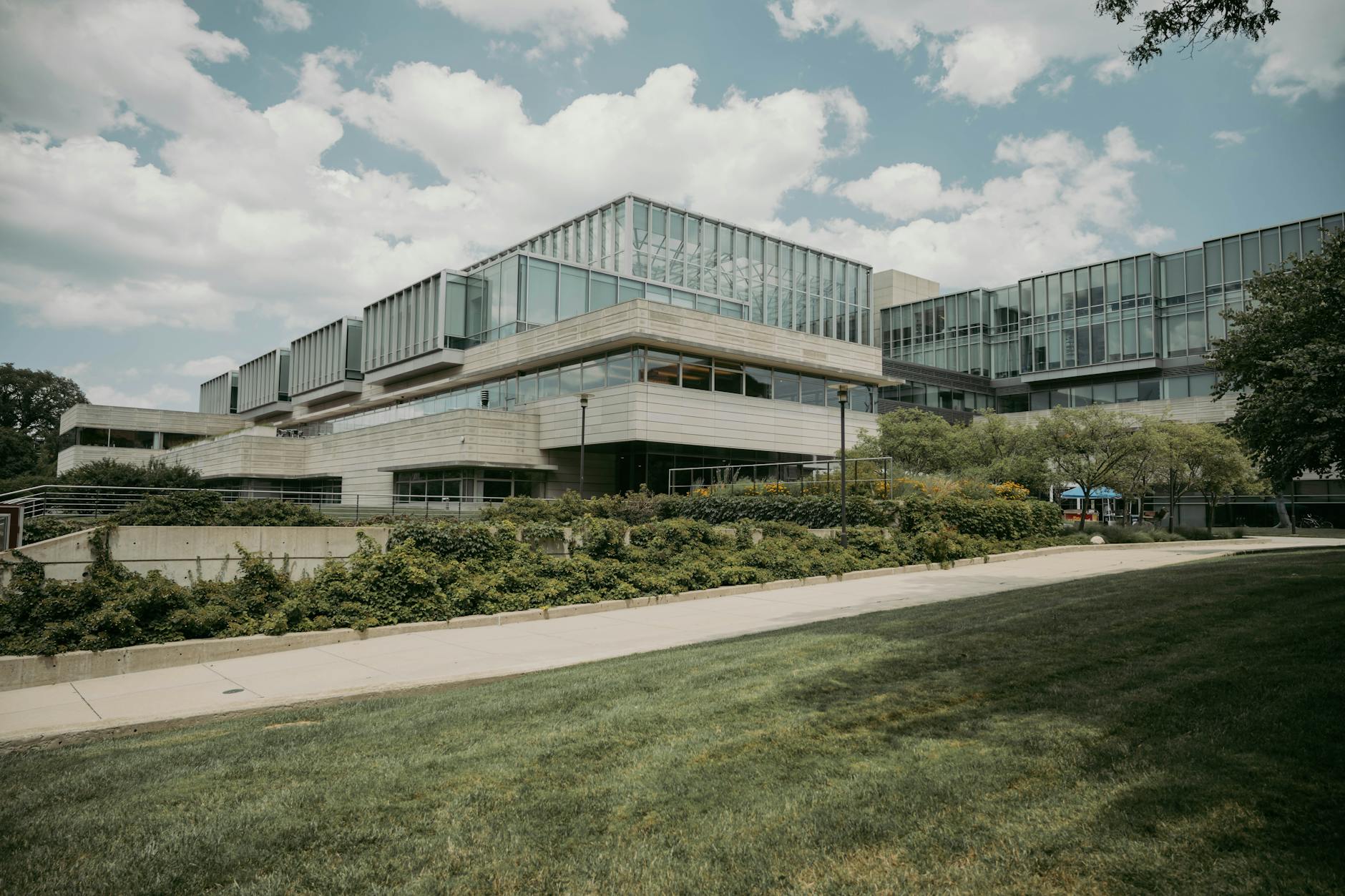
Southwestern Illinois College (SWIC) is a public community college serving the Metro East region of Illinois, with its main campus in Belleville, St. Clair County. The institution traces its origins to Belleville Junior College, founded in 1946, and later merged with Lincoln-Douglas College.
The Belleville campus expanded substantially during the 1950s, 1960s, and 1970s — the exact decades when asbestos-containing materials were standard construction practice. Every building constructed or substantially renovated between approximately 1945 and 1980 incorporated asbestos-containing products including Kaylo brand insulation (Owens Corning), Thermobestos products (Johns-Manville), Monokote fireproofing (W.R. Grace), and Aircell insulation systems.
Four Reasons Educational Facilities Like SWIC Were Heavy Asbestos Users
Educational institutions built during this era ranked among the most intensive users of asbestos-containing materials in American construction:
- Extensive mechanical systems — HVAC systems, steam distribution lines, boiler plants, and mechanical chases required thousands of feet of insulated piping wrapped in Johns-Manville pipe covering, Owens Corning Kaylo, and Armstrong World Industries insulation products
- Fireproofing codes — Public buildings required asbestos-containing fireproofing applied to structural steel, concrete decking, and floor assemblies; W.R. Grace Monokote and Zonolite spray-applied products were industry standards
- Interior finishes — Armstrong World Industries vinyl asbestos floor tiles, USG and National Gypsum acoustic ceiling tiles, Sheetrock joint compounds, and spray-applied textured coatings went into classrooms, hallways, and offices as a matter of course
- Cost and durability — Public institutions bought asbestos products because Johns-Manville, Owens Corning, Garlock, and other manufacturers offered inexpensive, durable, fire-resistant, thermally efficient materials that met 1950s–1970s building standards
When Exposure Risk Was Highest: Renovation and Maintenance Work
Initial construction created a latent hazard, but renovation, repair, and maintenance work that disturbed asbestos-containing materials carried the greatest danger. Aging infrastructure at SWIC’s Belleville campus required repeated cycles of:
- Mechanical upgrades and pipe repairs, disturbing Johns-Manville and Armstrong pipe insulation
- Roof replacements, removing asbestos-containing felts and cements
- Boiler replacements, exposing workers to Combustion Engineering and Babcock & Wilcox asbestos-insulated equipment
- Electrical rewiring through asbestos-wrapped conduit and panel boards
- Modernization projects stripping Monokote fireproofing and Gold Bond / Sheetrock joint compounds
Illinois and federal asbestos regulations — NESHAP and AHERA — did not take effect until the mid-1980s. Before that, renovation work at SWIC routinely proceeded with no asbestos awareness, no respiratory protection, no engineering controls, and no meaningful ventilation.
Workers on renovation projects throughout the 1960s, 1970s, and early 1980s inhaled extraordinarily high concentrations of airborne asbestos fibers, particularly in mechanical rooms, crawl spaces, ceiling plenums, and boiler rooms.
Part Two: Asbestos-Containing Products at SWIC
Product identification drives asbestos litigation because manufacturers — not the institution — are typically the liable defendants for exposure-related injuries. Identifying which companies supplied products at your worksite is a critical first step in filing an asbestos lawsuit Missouri or pursuing a claim through the process. The companies below supplied asbestos-containing products documented in institutional construction of this type and era.
Pipe Insulation and Fittings
Steam lines, hot water systems, and chilled water distribution lines throughout SWIC’s campus ran inside asbestos pipe insulation. Workers who installed, removed, cut, scored, or fitted that insulation inhaled asbestos dust in quantities that cause mesothelioma and lung cancer.
Manufacturers whose products appear in similar institutional settings:
- Owens Corning / Owens-Illinois — Kaylo brand calcium silicate pipe insulation; the dominant product in the market for decades
- Johns-Manville Corporation — Pipe insulation, block insulation, and fitting covers in asbestos-cement formulations
- Armstrong World Industries — Pipe covering and block insulation systems
- Garlock Sealing Technologies — Asbestos-containing gaskets for flanged steam and hot water connections
- Philip Carey Manufacturing Company — Magnesia-asbestos pipe insulation and covering
- Certainteed Corporation — Asbestos-containing pipe insulation and fitting covers
- Unibestos — Pipe wrapping and cellular insulation products containing asbestos
Boiler and Furnace Insulation
Boiler rooms in institutional buildings were among the most contaminated work environments in existence. Boilers, breechings, smoke connections, and steam distribution equipment were heavily lagged with asbestos-containing block, cement, and rope products.
Relevant manufacturers documented in institutional boiler installations:
- Combustion Engineering / CE-Air Preheater — Boiler manufacturer supplying asbestos-insulated equipment and components
- Johns-Manville — Asbestos insulation cements, block insulation, and rope gaskets for boiler systems
- Babcock & Wilcox — Boiler manufacturer; supplied asbestos insulation cement, block, and blanket products
- Fibreboard Corporation — Asbestos-containing insulation cements and block, particularly their Thermobestos line
- Insulite / National Gypsum — Insulating board and plaster products with asbestos fillers
- Garlock Sealing Technologies — Asbestos-containing gaskets for boiler flanged connections and thermal insulation wraps
- Flexitallic Gasket Company — Spiral-wound and sheet gaskets with asbestos for high-temperature connections
Floor Coverings
Vinyl asbestos floor tiles (VAT) dominated institutional construction from 1950 to 1980, typically running 15–35% asbestos by weight. Cutting, grinding, sanding, and removing those tiles during renovation released asbestos fibers in quantities sufficient to cause disease.
Manufacturers:
- Armstrong World Industries — Market leader in VAT; supplied most institutional flooring in the region
- GAF Corporation (formerly General Aniline & Film) — Major VAT manufacturer
- Kentile Floors — Asbestos-containing vinyl floor tiles
- Congoleum Corporation — Asbestos vinyl floor products
- Azrock Industries — Asbestos-containing floor tile and linoleum products
Ceiling Tiles and Acoustic Products
Suspended acoustic ceiling systems in classrooms, hallways, offices, and common areas at SWIC routinely incorporated asbestos-containing tiles.
Manufacturers:
- Armstrong World Industries — Dominated the acoustic ceiling tile market with asbestos-containing products
- United States Gypsum Company (USG) — Asbestos-containing ceiling tiles and suspended systems
- National Gypsum — Acoustic tiles and suspended ceiling components with asbestos
Joint Compounds, Plasters, and Textured Coatings
Drywall finishing compounds, plasters, and spray-applied textured coatings contained asbestos throughout SWIC’s active renovation period.
Manufacturers:
- United States Gypsum (USG) — Sheetrock brand joint compounds, spackling, and plaster products with asbestos
- Kaiser Gypsum — Drywall compound and finishing materials containing asbestos
- W.R. Grace & Company — Monokote and Mono-Kote spray-applied textured fireproofing containing asbestos
- Georgia-Pacific — Gypsum products and joint compounds with asbestos fillers
Fireproofing on Structural Steel
Spray-applied fireproofing on structural steel, floor decking, and concrete surfaces generated massive airborne asbestos fiber counts when renovation work disturbed it.
Manufacturers and products:
- W.R. Grace & Company — Monokote brand spray-applied fireproofing, asbestos-based
- Zonolite Company (acquired by W.R. Grace) — Zonolite spray fireproofing products
- Cafco / Isolatek International — Spray-applied asbestos-containing fireproofing systems
- Southwest Vermiculite Company — Vermiculite-based asbestos fireproofing products
Electrical Products
Asbestos went into electrical applications throughout these buildings for thermal and flame resistance:
- Asbestos-wrapped electrical wire and cable (General Electric, Westinghouse, Square D)
- Panel boards and switchgear with asbestos arc chutes
- Thermal insulation on electrical conduits and bus ducts
Roofing Materials
Built-up roofing systems on flat and low-slope institutional roofs incorporated asbestos-containing felts, cements, and flashings from Johns-Manville, Owens Corning, and Bird Incorporated.
Part Three: Which Workers at SWIC Are at Risk?
Job Titles and Trades with Highest Exposure
The workers below may have encountered asbestos-containing materials from Johns-Manville, Armstrong World Industries, W.R. Grace, Garlock Sealing Technologies, and other manufacturers in the course of their regular duties at SWIC.
Mechanical trades — members of Heat and Frost Insulators Local 1 and Plumbers and Pipefitters UA Local 562, based in St. Louis, performed much of this work:
- Pipefitters and steamfitters who handled Kaylo pipe insulation, Johns-Manville covering, and Garlock gaskets during removal and installation
- HVAC technicians working ductwork, fittings, and boiler maintenance involving asbestos components
- Boiler room operators and maintenance workers who repaired Combustion Engineering equipment, stripped insulation, and replaced Garlock gaskets
- Maintenance mechanics responsible for general facility upkeep involving asbestos-containing materials
Electrical trades:
- Electricians who rewired through asbestos-wrapped conduit and installed panel boards and switchgear containing asbestos thermal barriers
- Electrical maintenance workers who repaired equipment with asbestos insulation components
Construction and renovation trades:
- General contractors and construction workers on campus modernization projects
- Carpenters who removed Armstrong and USG ceiling tiles and worked above ceiling plenums where disturbed asbestos-containing materials were present
- Plasterers and drywall finishers who mixed and applied USG Sheetrock joint compounds and W.R. Grace spray textures
- Roofers who tore off and replaced built-up roofing systems incorporating Johns-Manville and **Owens
Litigation Landscape
Asbestos exposure at industrial and institutional facilities like Southwestern Illinois College during renovation and maintenance work has generated documented litigation naming manufacturers whose products were commonly used in building systems. Johns-Manville, Owens-Corning, Combustion Engineering, Crane Co., W.R. Grace, Armstrong, and Babcock & Wilcox were frequent defendants in cases involving insulation, pipe wrapping, gaskets, and thermal products installed in educational and industrial buildings of this era. These manufacturers supplied asbestos-containing materials widely used in HVAC systems, boiler rooms, and structural insulation throughout the mid-to-late 20th century.
Workers exposed during renovation or maintenance at such facilities may pursue claims through both civil litigation and the asbestos bankruptcy trust system. Relevant trust funds include those established by Johns-Manville, Owens-Corning, Combustion Engineering, W.R. Grace, Armstrong, Crane Co., and Babcock & Wilcox. These trusts compensate claimants for mesothelioma, lung cancer, and asbestosis without requiring the worker to prove the manufacturer still operates. Trust claims often proceed in parallel with or independently of traditional litigation.
Publicly filed asbestos litigation documents show that claims arising from institutional building renovations and maintenance work have been consistently pursued, particularly when workers disturbed legacy insulation or conducted abatement without proper respiratory protection. The exposure pathways in these settings—thermal products, spray-applied asbestos, and friable insulation in confined spaces—create documented risk.
If you worked at Southwestern Illinois College during renovation or maintenance activities and have since developed mesothelioma or asbestos-related illness, an experienced Missouri asbestos attorney can evaluate your potential claims against manufacturers and their trust funds. Contact O’Brien Law Firm to discuss your exposure history and available legal options.
Missouri DNR Asbestos Notification Records
The following 4 project notification(s) are documented with the Missouri Department of Natural Resources (NESHAP program) for Southwest Missouri Investments, Inc. in Springfield. These are public regulatory records.
| Project ID | Year | Site / Building | Operation | ACM Removed | Contractor |
|---|---|---|---|---|---|
| A7245-2017 | 2017 | SRC Production Facility | Renovation | 720sf n-f HVAC duct tape/mastic, 252lf frbl thermal insulation fitting, 1263l… | Gerken Environmental Enterprises Inc. |
| A7551-2018 | 2018 | SRC Production Facility | Renovation | 250sf frbl thermal tank insulation, 4000sf frbl thermal duct insulation, 100l… | Gerken Environmental Enterprises Inc. |
| A7298-2017 | 2017 | SRC Production Facility | Renovation | 2560sf frbl thermal tank insulation, 70lf frbl thermal insulation fitting | Gerken Environmental Enterprises Inc. |
| A7747-2018 | 2018 | SRC Production Facility | Renovation | 500sf frbl thermal tank insulation, 8000sf frbl thermal duct insulation, 200l… | Gerken Environmental Enterprises Inc. |
Source: Missouri Department of Natural Resources, NESHAP Asbestos Abatement & Demolition/Renovation Notification Program — public regulatory records.
Recent News & Developments
No facility-specific enforcement actions, OSHA citations, or EPA regulatory proceedings targeting Southwestern Illinois College (SWIC) in Belleville, Illinois appear in currently available public records or recent news archives. However, the general regulatory and historical context surrounding educational institutions of SWIC’s age and construction profile is well-documented and directly relevant to anyone who worked on or near the campus during renovation or maintenance activities.
SWIC’s main Belleville campus includes buildings constructed or substantially built out during the mid-twentieth century — an era when asbestos-containing materials were standard components in institutional construction. Flooring products, pipe insulation, ceiling tiles, boiler room lagging, roofing materials, and spray-applied fireproofing commonly sourced from manufacturers such as Johns-Manville, Armstrong World Industries, W.R. Grace, and Owens-Illinois were widely installed in Illinois community college facilities during this period. While no public records currently link these specific manufacturers by name to materials installed at SWIC, the product categories themselves are well-established asbestos-containing material types documented throughout the region’s educational building stock.
Under the National Emission Standards for Hazardous Air Pollutants (NESHAP), codified at 40 CFR Part 61, Subpart M, any renovation or demolition activity at a facility like SWIC that disturbs regulated quantities of asbestos-containing material triggers mandatory notification to the Illinois Environmental Protection Agency (Illinois EPA), along with proper inspection, removal, and disposal protocols before work begins. Community colleges throughout Illinois have faced compliance scrutiny under these provisions, particularly as aging campuses undergo capital improvement projects, HVAC modernization, and structural upgrades.
Workers engaged in renovation trades at educational facilities — including laborers, pipefitters, electricians, insulators, carpenters, and HVAC technicians — are also governed by OSHA’s construction asbestos standard at 29 CFR 1926.1101, which mandates air monitoring, proper respiratory protection, and regulated work area controls whenever asbestos-containing or presumed asbestos-containing materials may be disturbed. Contractors performing work at SWIC’s Belleville campus without full compliance with these standards may have created elevated exposure conditions for workers and, in some cases, for students and staff in adjacent areas.
No asbestos-related lawsuits, verdicts, or publicly reported settlements specifically naming Southwestern Illinois College or its contracted renovation firms appear in available litigation databases at this time. However, the absence of public filings does not indicate the absence of exposure, and occupational disease claims arising from community college renovation work in Illinois have been pursued under both state tort law and federal asbestos trust fund processes.
Individuals who performed renovation, maintenance, or demolition work at SWIC’s Belleville campus and later received a diagnosis of an asbestos-related disease are encouraged to seek legal consultation promptly, as statutes of limitations in occupational disease claims are tied to the date of diagnosis rather than the date of exposure.
Workers or former employees of Southwestern Illinois College Belleville Illinois asbestos building renovation who were diagnosed with mesothelioma, lung cancer, or asbestosis may have legal rights under Missouri law. Missouri § 537.046 extends the civil filing window for occupational disease claims.
For informational purposes only. Not legal advice. No attorney-client relationship is created by reading this page. © 2026 Rights Watch Media Group LLC — Disclaimer · Privacy · Terms · Copyright
