Asbestos Exposure at Old Ben Coal Company – Sesser, Franklin County, Illinois: What Workers and Families Need to Know
A Legal Guide for Those Diagnosed with Mesothelioma, Asbestosis, and Asbestos-Related Lung Disease
URGENT FILING DEADLINE: Missouri law gives you five years from your diagnosis date to file an asbestos claim. Mo. Rev. Stat. § 516.120. That deadline is not a formality—once it passes, your right to compensation is gone. If you or a family member has been diagnosed with mesothelioma, asbestosis, or asbestos-related lung cancer connected to Old Ben Coal Company, call an experienced Missouri asbestos attorney today. Do not wait.
A Community Facing a Decades-Old Health Crisis
For generations, the coal fields of Franklin County, Illinois were the economic backbone of Southern Illinois. Men went underground every morning, and the communities around those mines—Sesser, Benton, West Frankfort, Christopher—built their identities around the industry.
Those workers were never told that the facilities supporting those mines were saturated with asbestos-containing materials that would, years and decades later, trigger some of the most aggressive cancers known to medicine.
Old Ben Coal Company’s operations in Sesser and throughout Franklin County are among the most documented industrial asbestos exposure sites in Southern Illinois. Former miners, surface workers, maintenance tradespeople, and family members who laundered work clothes are now being diagnosed with:
- Malignant pleural mesothelioma
- Peritoneal mesothelioma
- Asbestosis
- Pleural plaques
- Asbestos-related lung cancer
Each of these diseases carries a direct biological signature linking it to asbestos fiber inhalation that may have occurred 20, 30, even 50 years ago. This article gives you the factual and legal information you need to understand your exposure, your disease, and your rights under Missouri law.
What Was Old Ben Coal Company?
Corporate History and Franklin County Operations
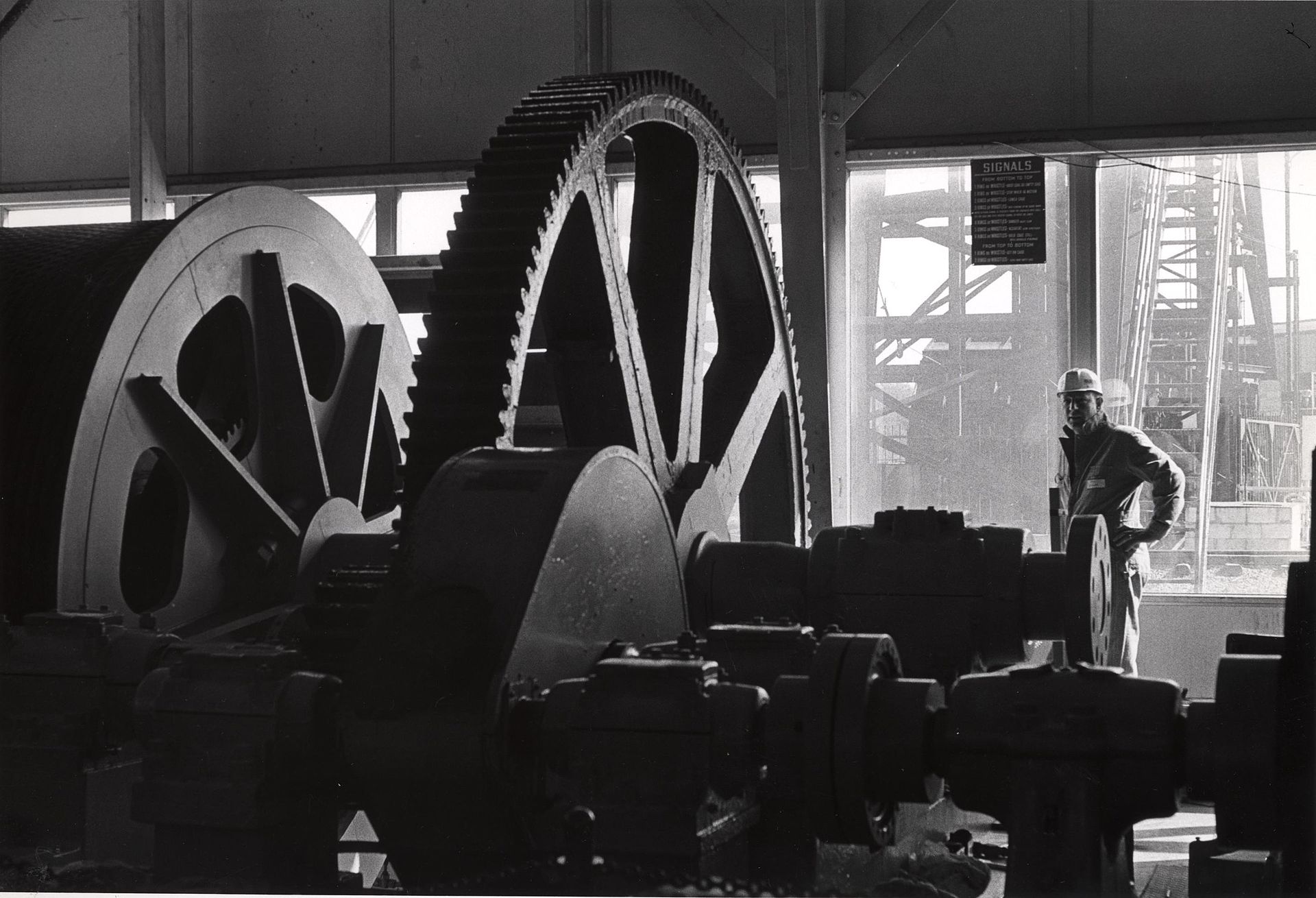
Old Ben Coal Company was one of the dominant bituminous coal producers in Illinois throughout the twentieth century. The company operated underground mines throughout the Illinois Basin, with particularly heavy operations concentrated in Franklin County—one of the most productive coal-producing counties in the state.
Key corporate transitions:
- Originally operated independently
- Later acquired by Standard Oil Company of Ohio (Sohio)
- Underwent additional corporate restructuring during energy industry consolidation in the 1970s and 1980s
These corporate transitions directly affect which successor entities bear liability for historical asbestos exposure. Experienced toxic tort counsel investigate those ownership chains thoroughly when building a case—because the company that injured you may not be the company you write on the caption.
The Scale of Franklin County Operations
Old Ben’s Franklin County mines were industrial complexes with extensive surface facilities:
- Mine portals and shaft houses
- Preparation plants (coal washing and cleaning facilities)
- Power houses generating electricity for mine operations
- Boiler rooms and steam generation facilities
- Compressor houses
- Maintenance shops and machine shops
- Ventilation equipment buildings
- Administrative buildings and bathhouses (lamphouses)
Every one of those facilities required substantial mechanical, electrical, and plumbing infrastructure—built and maintained through the mid-twentieth century using asbestos-containing materials supplied by major industrial manufacturers.
Why Asbestos Saturated Coal Mine Facilities
The Industrial Case for Asbestos
Underground coal mining operations created extreme industrial demands:
- High-pressure steam systems for powering equipment and heating
- Electrical systems insulated against moisture, heat, and spark hazards—critical where methane gas was present
- Boilers operating at sustained extreme temperatures
- Steam and hot water pipe systems running throughout every surface facility
- Ventilation systems managing temperature and explosion risk
Through the mid-twentieth century, asbestos was the industry’s answer to all of it. It was cheap, abundant, and it worked. That economic advantage was purchased at the cost of worker lives.
What the Manufacturers Knew—and Concealed
Johns-Manville Corporation, Owens-Corning/Owens-Illinois, Armstrong World Industries, Combustion Engineering, W.R. Grace, Garlock Sealing Technologies, Eagle-Picher, Crane Co., and Georgia-Pacific aggressively marketed asbestos-containing products to mining companies throughout the Midwest. They supplied the insulation, gaskets, packing materials, electrical insulation, and fireproofing that are alleged to have saturated Old Ben’s operations.
What these companies knew—and deliberately concealed—was that asbestos fiber inhalation caused mesothelioma, asbestosis, and lung cancer. Internal corporate documents obtained through decades of litigation show that Johns-Manville executives understood the lethal properties of asbestos by the 1930s. Owens-Illinois and Combustion Engineering possessed detailed medical knowledge of asbestos dangers by the 1950s. Every major manufacturer concealed those findings from workers, union representatives, mine operators, and regulators for decades.
That concealment is the foundation of product liability claims against these defendants.
Timeline of Asbestos Use at Old Ben Facilities
- 1900s–1980s: Asbestos-containing products incorporated into coal mine surface facilities throughout this period
- 1940–1975: Most intensive documented asbestos use, coinciding with:
- Post-World War II industrial expansion
- Increased mechanization requiring expanded power infrastructure
- Growing demand for steam-powered hoists, ventilation fans, and preparation plant equipment
- Aggressive insulation contractor work by members of Heat and Frost Insulators Local 1 (St. Louis)
- Extensive boiler installation and maintenance at surface facilities
Workers who performed maintenance, repair, and renovation work after initial installation—even into the 1970s and 1980s—faced exposure from disturbed Kaylo pipe insulation (Owens-Illinois), Johns-Manville Thermobestos, and other legacy products. Disturbing aged asbestos insulation generates fiber counts as high as, or higher than, the original installation work. The decade you worked there matters less than you might think.
Asbestos-Containing Products at Old Ben Coal Facilities
The following categories of asbestos-containing materials are consistent with the type, era, and industrial character of Old Ben’s Franklin County surface facilities. Former worker accounts, Heat and Frost Insulators Local 1 union hall records, Plumbers and Pipefitters UA Local 562 documentation, and industrial hygiene surveys all support the presence of these product types.
Thermal Insulation Systems
Pipe insulation covering steam and hot water distribution lines throughout surface facilities:
- Kaylo pipe covering (Owens-Illinois/Owens-Corning)—calcium silicate insulation with chrysotile and amosite asbestos, documented extensively at Midwest industrial facilities and coal mine surface plants
- Johns-Manville Thermobestos pipe covering—one of the most commonly documented asbestos pipe insulation products in Illinois industrial facilities, regularly installed by Insulators Local 1 members
- Armstrong World Industries pipe insulation products—widely used at Midwest industrial sites and coal preparation plants
- W.R. Grace asbestos insulation products—supplied to major Illinois industrial facilities
- Crane Co. insulation and gasket products—used in steam distribution systems at coal mine surface facilities
Block insulation on boiler surfaces, steam drums, and high-temperature equipment:
- Johns-Manville, Owens-Corning, and Armstrong World Industries products
- Typically contained amosite (brown) asbestos—among the most carcinogenic fiber types documented
Blanket and felt insulation on irregular surfaces, valve bodies, and flanges:
- Woven or felted chrysotile asbestos from Johns-Manville and Owens-Corning
Boiler Systems
Old Ben’s power generation boilers—including systems manufactured by Babcock & Wilcox and Foster Wheeler—powered surface equipment, mine ventilation fans, and preparation plant operations. Boiler rooms carried among the highest asbestos exposure risk at any industrial facility of this era:
- Boiler lagging and boiler cement—Johns-Manville Thermobestos products and asbestos boiler cements routinely applied to boiler exteriors
- Refractory insulating cements—Combustion Engineering, Babcock & Wilcox, and Foster Wheeler products containing asbestos fractions, applied by boilermakers and insulators during installation and maintenance
- Gaskets and packing materials:
- Garlock Sealing Technologies gaskets—standard throughout Midwest industrial steam systems
- Flexitallic spiral-wound gaskets containing asbestos
- Crane Co. rope packing products containing chrysotile asbestos
- Boiler rope packing—woven asbestos rope sealing doors, hatches, and expansion joints on steam equipment
Electrical Systems
Asbestos was incorporated into electrical systems for thermal and arc-flash protection—particularly at underground coal mining operations where methane hazards demanded equipment that would not generate ignition sources:
- Electrical wire and cable insulation—General Electric, Westinghouse, and other manufacturers’ high-temperature conductors with asbestos insulation
- Arc chutes and electrical panels—asbestos-containing arc chutes in industrial switchgear in mine power houses
- Panel board backing materials—asbestos millboard behind electrical panels
- Motor insulation—electric motors driving mine hoists, ventilation fans, and preparation plant equipment throughout Old Ben’s surface facilities
Construction Materials in Surface Facilities
- Asbestos cement board (Transite) (Johns-Manville)—wall panels, siding, and partitions in lamphouses, administrative buildings, and utility structures; cutting or drilling released fibers at high concentrations
- Asbestos floor tiles—Armstrong World Industries, National Resilient Floor Company, and Kentile products containing chrysotile asbestos in lamphouses, administrative buildings, bathhouses, and main office areas
- Asbestos roofing and siding materials—corrugated asbestos cement sheets from Johns-Manville and Georgia-Pacific, used on boiler houses, equipment sheds, and facility additions
- Fireproofing compounds—spray-applied asbestos fireproofing on structural steel in boiler houses and electrical equipment rooms, common from the 1950s through the early 1970s
- Joint compound and plaster—asbestos-containing joint compounds from United States Gypsum (USG) and Georgia-Pacific, applied during construction and renovation of surface facilities
Friction Products
Mining operations depended on mechanical braking systems for hoisting equipment and conveyors:
- Brake linings and clutch facings—Bendix, Raybestos-Manhattan, Pneumo Abex, and other manufacturers’ asbestos friction materials, used on mine hoists and preparation plant equipment
Who Was Exposed? A Trade-by-Trade Analysis
Underground Miners
While primarily associated with coal dust lung disease, underground miners at Old Ben’s Franklin County operations faced additional asbestos exposure through:
- Work near shaft areas lined with asbestos-insulated pipe runs
- Travel through shaft houses containing Kaylo, Thermobestos, and other insulated mechanical systems
- Maintenance work on underground mechanical systems incorporating asbestos materials
- Break time spent in lamphouses and administrative areas containing Armstrong and other asbestos floor tiles
Underground miners who also performed maintenance work carried compound exposure histories that, in our experience, produce some of the strongest claims.
Heat and Frost Insulators (Highest Risk)
Insulators document some of the heaviest asbestos exposure of any construction or maintenance trade. Members of Heat and Frost Insulators Local 1 (St. Louis) performed installation, repair, and removal of asbestos pipe covering, block insulation, and boiler lagging throughout Old Ben’s Franklin County surface facilities.
Every day on that job meant cutting, fitting, and applying materials that were, on average, 15–40% asbestos by weight. Insulators who worked Old Ben facilities during the peak installation years have been diagnosed with mesothelioma at rates that reflect that exposure.
If you held an Insulators Local 1 card and worked Old Ben, call immediately. Your exposure history is well-documented and your claim may be among the strongest available.
Pipefitters and Steamfitters
Members of Plumbers and Pipefitters UA Local 562 and affiliated locals who worked Old Ben’s steam distribution and process piping systems may have been exposed to asbestos at every stage of that work:
- Cutting and fitting asbes
Litigation Landscape
Workers exposed to asbestos at the Old Ben Coal Company Sesser mine operated in an era when asbestos products were widely used in mining equipment, thermal insulation, gaskets, and brake linings. Litigation arising from similar mining and industrial facilities has documented exposure to products manufactured by Johns-Manville, Owens-Illinois, Combustion Engineering, Crane Co., W.R. Grace, Garlock, Armstrong, Babcock & Wilcox, and Eagle-Picher—companies that supplied asbestos-containing materials to coal mining operations and related heavy industrial sites.
Workers diagnosed with mesothelioma, asbestosis, or lung cancer from exposure at this facility may pursue claims against the manufacturers and distributors of those products. Because many of these companies have entered bankruptcy, workers are often eligible to file claims with established asbestos bankruptcy trust funds, including the Johns-Manville Settlement Trust, Owens-Illinois Trust, W.R. Grace Trust, Combustion Engineering Trust, Crane Co. Trust, and others tailored to the specific products and manufacturers involved in their exposure history.
Publicly filed litigation demonstrates that claims arising from coal mining and industrial manufacturing sites frequently involve multiple defendants and trust fund recoveries. The combination of workplace exposure to raw asbestos ore, mining dust, and asbestos-laden insulation and equipment creates a strong factual basis for product liability and negligence claims.
Workers who believe they were exposed to asbestos at the Old Ben Coal Company Sesser facility and have since developed an asbestos-related illness should contact an experienced Missouri asbestos attorney to evaluate their eligibility for compensation. O’Brien Law Firm has represented workers with occupational asbestos exposure and can advise on claims against manufacturers and trust funds specific to your exposure history.
Missouri DNR Asbestos Notification Records
The following 1 project notification(s) are documented with the Missouri Department of Natural Resources (NESHAP program) for AMOCO Oil Company in Sugar Creek. These are public regulatory records.
| Project ID | Year | Site / Building | Operation | ACM Removed | Contractor |
|---|---|---|---|---|---|
| 2876-2001 | 2001 | Sugar Creek Asbestos Abatement | Renovation | 1,000 sq. ft. acoustical ceiling texture, 247 ln. ft. duct wdork | Major Abatement & Demolition Inc. |
Source: Missouri Department of Natural Resources, NESHAP Asbestos Abatement & Demolition/Renovation Notification Program — public regulatory records.
Recent News & Developments
No facility-specific news articles, regulatory enforcement actions, or court filings referencing the Old Ben Coal Company mine in Sesser, Franklin County, Illinois appear in currently available public records searched for this section. The absence of indexed reporting does not indicate an absence of historical asbestos exposure risk; rather, it reflects the limited digitization of mid-twentieth-century industrial compliance records and the passage of time since many of these operations were active.
Operational Context and Regulatory Landscape
Old Ben Coal Company operated multiple underground and surface mining facilities across southern Illinois, with Sesser-area operations forming part of a broader network of Franklin County coal extraction sites that were active through much of the twentieth century. Coal mining operations of this era routinely involved asbestos-containing materials in ventilation systems, conveyor belt equipment housings, boiler rooms, electrical insulation, pipe lagging, and brake linings on haulage equipment. Any mechanical disturbance, roof fall, fire, or equipment overhaul at underground mining facilities carried the potential to release respirable asbestos fibers into enclosed or semi-enclosed workspaces with limited ventilation.
Facilities of this type and vintage fall within the regulatory scope of the EPA’s National Emission Standards for Hazardous Air Pollutants (NESHAP), codified at 40 CFR Part 61, Subpart M, which governs asbestos emissions during demolition, renovation, and decommissioning of industrial structures. Any future or past demolition activity at the Sesser site — including headframes, tipples, washhouses, compressor buildings, or surface structures — would trigger mandatory asbestos inspection and notification requirements under NESHAP before work could lawfully proceed.
Occupational asbestos exposure at active mining operations falls under OSHA 29 CFR 1926.1101, which establishes permissible exposure limits, required air monitoring protocols, and employer notification duties for workers encountering asbestos-containing materials in construction and renovation contexts.
Product Identification
Manufacturers including Johns-Manville, Owens-Illinois, Combustion Engineering, Babcock & Wilcox, and Armstrong World Industries supplied asbestos-containing insulation, gaskets, pipe covering, boiler lagging, and floor products widely used at industrial mining facilities throughout Illinois during the decades Old Ben Coal Company operated. Litigation records in unrelated asbestos cases have established the presence of these manufacturers’ products at comparable coal mining and processing facilities in the Illinois basin region, though no publicly available court record has been identified that names the Sesser facility specifically in connection with a particular manufacturer’s product.
Former workers, laborers, electricians, mechanics, and pipefitters who performed maintenance or construction work at this location during any period of operation should consult occupational exposure records, union grievance files, and MSHA inspection archives, which may contain additional documentation relevant to product identification.
Workers or former employees of Old Ben Coal Company Sesser Franklin County Illinois asbestos mine who were diagnosed with mesothelioma, lung cancer, or asbestosis may have legal rights under Missouri law. Missouri § 537.046 extends the civil filing window for occupational disease claims.
For informational purposes only. Not legal advice. No attorney-client relationship is created by reading this page. © 2026 Rights Watch Media Group LLC — Disclaimer · Privacy · Terms · Copyright
