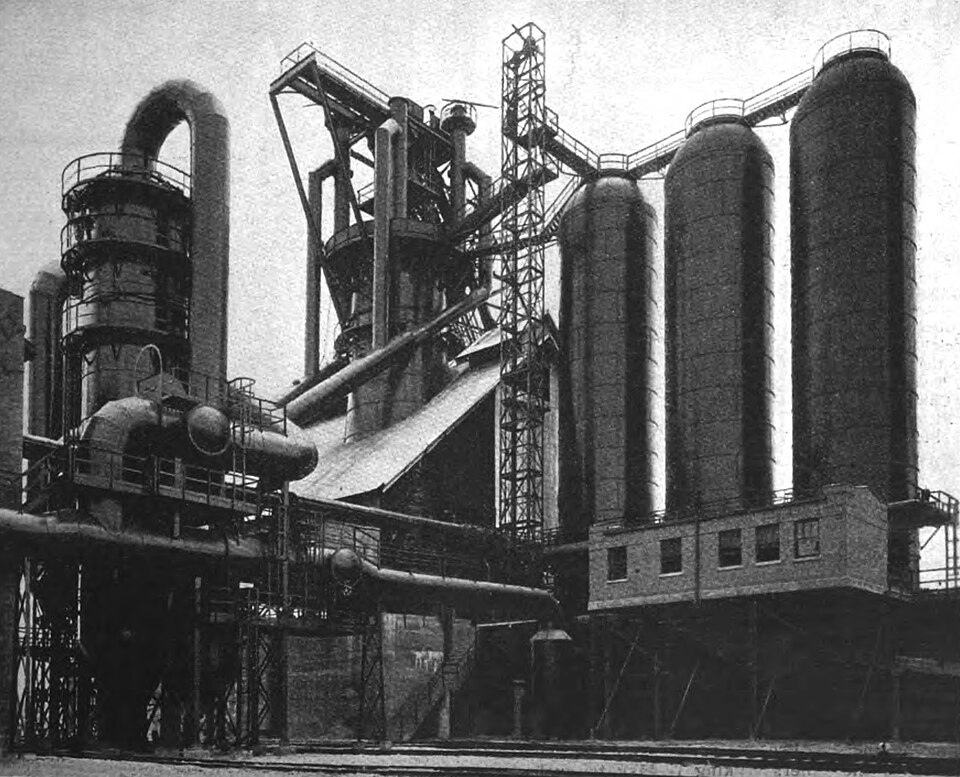
Illinois Law Applies to This Jobsite — Act Immediately

This facility is located in Illinois. Asbestos exposure claims arising from work at Illinois jobsites are governed by Illinois law, not Missouri law. Illinois’s statute of limitations for asbestos personal injury claims is 2 years from the date of diagnosis under 735 ILCS 5/13-202 — significantly shorter than Missouri’s 5-year deadline under §516.120.

Missouri residents who worked at this Illinois facility may have claims subject to both Illinois and Missouri law depending on where exposure occurred and which compensation avenue is pursued. Illinois court claims run on the Illinois five-year deadline. Asbestos bankruptcy trust claims run on separate internal trust deadlines. Do not assume Missouri’s 5-year window applies — if you have been diagnosed, consult an attorney who practices in both states immediately.

Laclede Steel Alton Asbestos Claims: A Legal Guide for Missouri Workers and Former Employees


Source note: Products, equipment, and companies identified in this article are drawn from public asbestos litigation records, court filings, EPA and OSHA regulatory databases, and publicly available industry records. Product identifications and company references reflect what has been alleged or documented in publicly filed litigation. This article does not constitute a finding of liability against any company.

⚠️ CRITICAL DEADLINE WARNING FOR MISSOURI RESIDENTS

Missouri law currently gives mesothelioma and asbestosis victims 5 years from the date of medical diagnosis to file a claim — not from when your exposure occurred. Under Missouri Revised Statutes §516.120, this is the law today. Miss it, and Missouri law permanently bars you from recovering any compensation. No exceptions. No extensions.

That deadline is now under direct legislative threat.

Missouri If signed into law, your deadline would be cut from 5 years to 3 years — eliminating two full years of legal options without any notice to victims already diagnosed. There is no guaranteed notice to individuals whose deadlines would be retroactively compressed. The bill could move and be signed at any time.

Do not wait for this legislation to resolve before consulting an attorney. Call a Missouri mesothelioma lawyer today.


Workers at Laclede Steel’s Alton, Illinois facility spent decades breathing asbestos fibers without knowing it. The pipefitters, boilermakers, electricians, millwrights, and laborers who kept that plant running were never told that the insulation they cut, the gaskets they handled, and the equipment they maintained every day could give them mesothelioma or asbestosis 20 to 50 years later. If you worked at Laclede Steel — or if a family member did — and you’ve received a diagnosis, a qualified mesothelioma lawyer or asbestos attorney in Missouri can help you pursue compensation even though the company no longer exists. Those options include filing in Missouri and Illinois courts and pursuing asbestos trust fund claims simultaneously.

Your clock started running the day you received your diagnosis. Every week of delay is a week of irreplaceable legal opportunity lost — not because the law moves slowly, but because the evidence your case depends on is actively disappearing, and because Missouri HB 1664 (2026) could reduce your filing window before you realize it has changed.


Laclede Steel Company operated its Alton, Illinois facility along the Mississippi River for most of the twentieth century. The plant produced wire rod, bar products, and structural steel that fed construction projects, manufacturing operations, and infrastructure development across the country. At its peak, the facility employed thousands of workers across every major industrial trade — many of them members of UA Local 562 (Plumbers and Pipefitters) out of St. Louis, Heat and Frost Insulators Local 1, and Boilermakers Local 27, all of which supplied skilled tradespeople to facilities throughout the Mississippi River industrial corridor on both the Missouri and Illinois sides.

Laclede Steel filed for bankruptcy in 1998 and eventually ceased operations. The diseases workers carry in their lungs did not file for bankruptcy. The latency period for mesothelioma — typically 20 to 50 years between first exposure and diagnosis — means that workers who spent careers at the Alton plant in the 1950s, 1960s, 1970s, and into the 1980s are still receiving diagnoses today.

Those diagnoses are happening right now. And the moment a diagnosis is confirmed, Missouri’s 5-year asbestos filing deadline begins running under §516.120 — silently, automatically, and without any notice from the court system.

Many of these workers did not spend their entire careers at Laclede Steel alone. The Mississippi River industrial corridor meant that the same Heat and Frost Insulators Local 1 members, UA Local 562 pipefitters, and Boilermakers Local 27 members who worked at Laclede Steel in Alton also worked at Granite City Steel across the river, at the Labadie and Portage des Sioux power plants in Missouri, at Monsanto’s chemical facilities in the St. Louis area, and at other facilities stretching from St. Louis north through the Metro East Illinois industrial zone. Those workers accumulated asbestos exposures across state lines, and their claims may involve both Missouri and Illinois courts alongside multiple asbestos trust fund claims reflecting that multi-site exposure history.

Building that case — identifying every manufacturer, every jobsite, every documented exposure — takes time that a shortened deadline under Missouri HB 1664 (2026) would severely compress.


Why Asbestos Was Used Throughout the Alton Plant

Electric arc furnaces, open hearth furnaces, and reheat furnaces operate at temperatures exceeding 2,000 degrees Fahrenheit. Steam systems, hot water lines, and process piping run throughout a facility covering hundreds of acres. Equipment fails constantly under those conditions.

Before the industry began transitioning away from asbestos in the late 1970s and 1980s, asbestos was the standard solution to virtually every high-heat insulation problem. It was cheap, widely available, and sold aggressively by manufacturers including Johns-Manville, Owens-Illinois, Eagle-Picher, Garlock Sealing Technologies, Armstrong World Industries, W.R. Grace, and Combustion Engineering — companies that asbestos litigation plaintiffs have alleged actively failed to disclose evidence that their products were associated with mesothelioma, lung cancer, and asbestosis.

Laclede Steel’s Alton facility used asbestos-containing materials extensively, routinely, and in ways that created constant airborne fiber exposure for workers throughout the plant.


Documented Asbestos Use at Laclede Steel Alton by Decade

1930s–1940s: Built Into the Plant from the Start

Johns-Manville pipe covering, Eagle-Picher Thermobestos block insulation, and Combustion Engineering refractory products were incorporated into the facility’s original construction and subsequent expansions as standard industrial practice. Furnaces, boilers, and process lines were wrapped, blocked, and lined with asbestos-containing materials from day one. The same product lines and many of the same suppliers were simultaneously outfitting Missouri industrial facilities, including early power generation stations along the Missouri River.

1950s–1960s: Peak Asbestos Exposure Decades

This period represents the heaviest documented asbestos use at Laclede Steel and at most industrial facilities throughout the Mississippi River corridor. Expansion of production capacity meant installation of new furnaces, additional piping systems, and new electrical infrastructure — all built with Owens-Illinois Kaylo pipe covering, Johns-Manville Aircell insulation, W.R. Grace Monokote fireproofing, and Garlock sheet gasket material.

Maintenance work during this period generated the highest airborne fiber concentrations. Workers present in these decades received the heaviest cumulative exposures. UA Local 562 pipefitters and Boilermakers Local 27 members frequently rotated between Laclede Steel in Alton, Granite City Steel across the river, and Missouri-side facilities during the same period — accumulating cross-state asbestos exposures that become legally significant when building a comprehensive compensation claim.

1970s: Regulations That Didn’t Stop the Exposure

Despite growing regulatory attention, Unibestos pipe covering from Pittsburgh Corning, Garlock compression packing, and Eagle-Picher Thermobestos block insulation remained in active use through much of the decade. OSHA’s asbestos standard, adopted in 1971, required employers to monitor exposure and implement controls, but compliance at Laclede Steel and neighboring industrial facilities — including Alton Box Board, Granite City Steel in Madison County, and Monsanto facilities in the greater St. Louis region — was inconsistent and often inadequate.

Workers performing maintenance and repair continued receiving exposures, particularly when disturbing older insulation installed in prior decades. For Missouri residents now asking how long they have to file an asbestos claim, this era is precisely why the answer matters: exposures from the 1970s are generating diagnoses and triggering filing deadlines right now.

1980s: Legacy Materials Still Generating Exposure

Johns-Manville, Owens-Corning, and Eagle-Picher began substituting alternative materials — driven by litigation rather than voluntary safety decisions — but the Kaylo, Thermobestos, and Aircell already installed throughout the plant remained in place. Workers performing renovation, repair, or insulation removal continued to be exposed to fiber releases from aging, deteriorating asbestos-containing materials. Heat and Frost Insulators Local 1 members who performed abatement or insulation replacement at Laclede Steel during this period often performed similar work at Missouri facilities during the same era — a documented cross-site exposure pattern directly relevant to both asbestos trust fund claims and direct litigation.

1990s Through Closure: Exposure Without New Product Installation

Even in the plant’s final years, Johns-Manville pipe covering, Garlock gasket material, and Combustion Engineering refractory products installed decades earlier remained present throughout the facility. Workers who never handled a piece of newly installed asbestos product still received exposures by disturbing this legacy material during routine maintenance. These late-career exposures are legally compensable and must be fully documented by experienced toxic tort counsel before that evidence is gone.


Where Asbestos Was Located Inside Laclede Steel’s Alton Facility

The Melt Shop and Electric Arc Furnace Area

The melt shop was the operational heart of steelmaking. Documented asbestos hazards included:

  • Combustion Engineering furnace linings containing asbestos refractory materials
  • Tap holes, ladles, and tapping areas requiring constant maintenance in dust-saturated conditions
  • Massive electrical systems — cables, switchgear, and panels — installed with Johns-Manville asbestos electrical insulation
  • Asbestos-insulated wiring manufactured by Johns-Manville and Owens-Illinois, cut, bent, and handled by electricians throughout their careers

Boilermakers Local 27 members who worked the melt shop at Laclede Steel frequently also worked comparable operations at Granite City Steel, meaning their cumulative melt shop exposures extended across both sides of the Mississippi River. Documenting that full cross-state exposure history is exactly the kind of time-intensive legal work that cannot be compressed into the final weeks before a deadline — and precisely the work that Missouri HB 1664 (2026) would make far harder to complete if the filing window drops from 5 years to 3.

The Boiler House and Steam Generation Systems

Every piece of pipe


Litigation Landscape

Steel mills and metal fabrication facilities like Laclede Steel Alton operated during decades when asbestos was routinely incorporated into insulation, gaskets, pipe wrapping, and equipment components. Litigation arising from worker exposure at similar industrial facilities has identified several manufacturers as common defendants, including Johns-Manville, Combustion Engineering, Crane Co., Babcock & Wilcox, Garlock, and Armstrong. These companies supplied thermal insulation products, valve packing, gasket materials, and boiler components widely used in steel production environments.

Workers diagnosed with mesothelioma or asbestos-related lung disease may pursue claims through multiple avenues. Several asbestos bankruptcy trust funds remain available and funded, including the Johns-Manville Personal Injury Settlement Trust, the Combustion Engineering Asbestos Trust, the Crane Co. Asbestos Trust, the Babcock & Wilcox Asbestos Settlement Trust, and the Garlock Sealing Technologies Trust. Each trust maintains its own eligibility criteria and claim procedures, and claims may be filed with multiple trusts if exposure involved products from different manufacturers.

Documented asbestos litigation involving steel mills and similar metal fabrication facilities has established that worker exposure claims from this facility type and era are viable and have been pursued in state and federal courts. The latency period for mesothelioma—often 20 to 50 years after initial exposure—means that workers employed at Laclede Steel during its operational years may only now be developing symptoms.

If you worked at Laclede Steel Alton and have been diagnosed with mesothelioma or an asbestos-related disease, an experienced Missouri asbestos attorney can evaluate your potential claims against product manufacturers and their trusts.

Missouri DNR Asbestos Notification Records

The following 2 project notification(s) are documented with the Missouri Department of Natural Resources (NESHAP program) for Ameren Missouri in West Alton. These are public regulatory records.

Project IDYearSite / BuildingOperationACM RemovedContractor
A5304-20112011Sioux Power Plant, Unit 1 OutageRenovation725 sqft frbl piping insulationTo be determined
5026-20112011Ameren Missouri Sioux Energy Center Chimney DemoDemolitionNF Bitumastic (on unit 2 chimney only) (825SF)Pullman Power

Source: Missouri Department of Natural Resources, NESHAP Asbestos Abatement & Demolition/Renovation Notification Program — public regulatory records.

Recent News & Developments

Public records and litigation databases reflect a documented history of asbestos-related legal activity connected to Laclede Steel’s Alton, Illinois facility, consistent with the industrial profile of an integrated steelmaking operation that relied heavily on refractory materials, high-temperature insulation, and asbestos-containing products throughout much of the twentieth century.

Operational Incidents and Facility Closure

Laclede Steel’s Alton facility experienced significant labor unrest during its final years of operation, including a prolonged strike in 1998 that contributed to the company’s financial deterioration. Laclede Steel filed for Chapter 11 bankruptcy in 1998 and ultimately ceased steelmaking operations at the Alton plant shortly thereafter. Extended work stoppages and workforce reductions of this nature frequently result in deferred maintenance of insulated equipment, which can accelerate the degradation of asbestos-containing pipe lagging, boiler insulation, and refractory cement — increasing the potential for fiber release during any subsequent re-entry, inspection, or cleanup activity.

Demolition and Decommissioning

Following the cessation of operations, the Alton facility entered a prolonged period of idled status and partial decommissioning. Demolition and remediation activities at former integrated steel plants of this size and vintage are governed by EPA NESHAP regulations under 40 CFR Part 61, Subpart M, which mandate thorough asbestos surveys, wet methods during removal, and proper disposal prior to any structural demolition. No specific EPA enforcement actions at this site have appeared in readily available public records, though the regulatory framework applicable to the site remains active.

Litigation Context

Former steelworkers at facilities comparable to Laclede Steel Alton have pursued asbestos personal injury claims through the Madison County, Illinois court system — one of the most active asbestos litigation venues in the United States — as well as through Missouri state courts. Claims against Laclede Steel and its predecessor entities have appeared in connection with exposures to boiler insulation, turbine lagging, steam pipe coverings, and refractory brickwork. Manufacturers frequently identified in litigation involving Midwest steel mill environments include Johns-Manville, Owens-Illinois, Combustion Engineering, Babcock & Wilcox, and Armstrong World Industries, whose products were commonly specified for high-temperature industrial applications of the type present at the Alton facility.

Regulatory Framework

Workers performing any ongoing remediation, maintenance, or demolition at the former Alton site remain subject to OSHA’s asbestos construction standard at 29 CFR 1926.1101, which establishes permissible exposure limits, required engineering controls, and mandatory medical surveillance for Class I through Class IV asbestos work. Illinois EPA maintains independent oversight authority for asbestos abatement projects within the state.

No specific OSHA citations or EPA enforcement orders related to the Alton facility have been identified in currently available public records. Individuals with knowledge of specific regulatory actions are encouraged to consult public dockets maintained by the Illinois EPA and federal OSHA Region V.

Workers or former employees of Laclede Steel Alton Illinois who were diagnosed with mesothelioma, lung cancer, or asbestosis may have legal rights under Missouri law. Missouri § 537.046 extends the civil filing window for occupational disease claims.


For informational purposes only. Not legal advice. No attorney-client relationship is created by reading this page. © 2026 Rights Watch Media Group LLC — Disclaimer · Privacy · Terms · Copyright