Mesothelioma Lawyer Missouri: Legal Guide for Kincaid Generating Station Workers

A Resource for Former Employees, Contractors, and Their Families


URGENT: Missouri’s Missouri’s asbestos statute of limitations Just Cut Your Filing Deadline in Half

Missouri’s Missouri’s asbestos statute of limitations, signed into law in April 2025, reduced the asbestos statute of limitations from five years to two years from the date of diagnosis. If you were diagnosed after April 2023, that clock may already be running. Miss this window and your claim is permanently barred — no exceptions, no extensions.

If you worked at Kincaid Generating Station and you’ve been diagnosed with mesothelioma, asbestosis, or asbestos-related lung cancer, stop reading this and call an attorney today. Everything else on this page will still be here. Your deadline won’t wait.


You May Be Entitled to Compensation

If you worked at Kincaid Generating Station in Christian County, Illinois — or if a family member worked there and has since been diagnosed — the companies that put asbestos into that plant knew exactly what they were doing. Johns-Manville, Owens Corning, Combustion Engineering, Armstrong World Industries, W.R. Grace, Garlock Sealing Technologies, Eagle-Picher, Georgia-Pacific, Celotex, and Crane Co. all had internal documents confirming the lethal nature of their products. They sold them anyway. They provided no warnings. That concealment is the foundation of every successful mesothelioma claim we bring.

Power generation facilities — Kincaid, Labadie Energy Center in Franklin County, Granite City Steel across the river in Illinois — were packed with asbestos from foundation to roof. The men who built and maintained these plants breathed that dust every day. Decades later, they’re getting the diagnosis.


What Is Kincaid Generating Station?

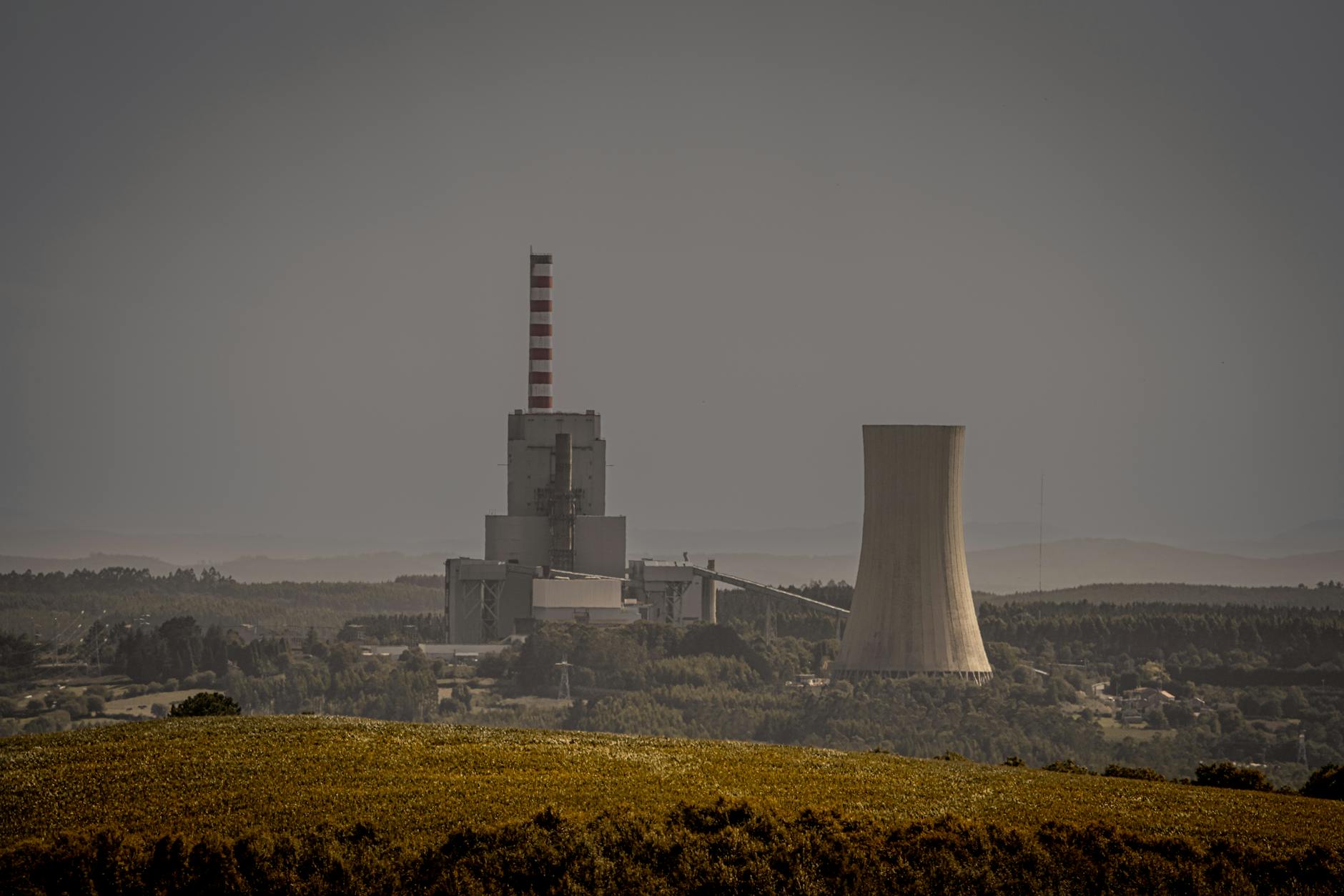
Kincaid Generating Station is a coal-fired steam electric generating facility in Christian County, approximately 15 miles southwest of Springfield, Illinois. Central Illinois Public Service Company (CIPS) built it; the facility passed through Ameren Illinois, GenOn Energy, and NRG Energy over subsequent decades.

Key facility details:

  • Unit 1 came online in 1967
  • Unit 2 came online in 1968
  • Designed to burn Illinois Basin coal with massive boilers, turbines, and steam piping networks comparable in scale and asbestos loading to Ameren’s Labadie Energy Center (Franklin County, MO), Portage des Sioux Power Plant (St. Charles County, MO), Rush Island Energy Center (Jefferson County, MO), and Sioux Energy Center (St. Charles County, MO)

Kincaid’s workforce included hundreds of direct employees and a rotating population of contractors from the trades — among them Heat and Frost Insulators Local 1 (St. Louis), Heat and Frost Insulators Local 27 (Kansas City), Plumbers and Pipefitters UA Local 562 (St. Louis), and Plumbers and Pipefitters UA Local 268 (Kansas City). Missouri union members crossed into Illinois for this work regularly. If that describes you or your family member, you have legal options in Missouri courts right now.


The Asbestos Exposure Timeline at Kincaid

Construction Phase: Late 1950s Through 1968

The worst asbestos exposures at any power plant happen during original construction. At Kincaid, insulators from Heat and Frost Insulators locals were cutting and fitting Johns-Manville and Owens Corning asbestos pipe covering while the air was still full of spray-applied Monokote fireproofing overhead. Boilermakers worked inside boiler casings lined with asbestos refractory. Pipefitters were cutting Garlock and Flexitallic asbestos gaskets at every flange connection throughout the facility. General laborers breathed the accumulated dust from all of it.

There was no monitoring. There were no respirators. The manufacturers had already concluded internally that the dust was killing people.

Early Operations: 1968 Through Mid-1970s

Once the units came online, routine maintenance kept the exposures going. Insulation repair, valve repacking, equipment servicing — every task that disturbed existing asbestos materials released fibers again.

Major Outage Work: 1970s Through 1990s

Planned outages brought large crews of outside contractors onto the site for concentrated periods of repair and overhaul. Workers from multiple trades worked simultaneously in confined spaces — turbine halls, boiler casings, condenser pits — where asbestos dust had nowhere to go. These outage periods produced some of the highest cumulative exposures documented in power plant litigation.

Later Period: 1980s Through 1990s

The transition away from asbestos-containing products was slow and uneven across the industry. Asbestos materials remained in service throughout this period, and disturbance during maintenance continued to generate exposure.


Which Jobs Put You at Risk at Kincaid?

Insulators and Insulation Workers

Insulators sustained the most severe asbestos exposures at facilities like Kincaid, period. Members of Heat and Frost Insulators Local 1 and Local 27 worked across Missouri and Illinois — Kincaid, Labadie, Granite City — cutting and fitting pipe covering and block insulation by hand, every shift. Mesothelioma rates in this trade reflect exactly that history. If you held this trade, you likely qualify for both asbestos trust fund claims and direct litigation simultaneously.

Boilermakers

Boilermakers at Kincaid and facilities like Granite City Steel worked in direct contact with insulated boiler surfaces and ancillary equipment, frequently in enclosed spaces with no ventilation. Occupational exposure data from this trade is among the strongest we use in litigation.

Plumbers and Pipefitters

Members of UA Local 562 and other Missouri and Illinois locals handled asbestos-containing gaskets, pipe wrapping, and joint compounds throughout the operational life of these plants. Flange work alone — breaking old gaskets, fitting new ones — generated measurable fiber release every time.

Additional At-Risk Trades

  • Welders and welding operators
  • Mechanical maintenance workers
  • Equipment operators
  • Janitorial and cleaning staff
  • Quality control inspectors
  • Electrical workers

If you worked at Kincaid in any capacity between the late 1950s and the mid-1990s, you were in an asbestos environment. The question is exposure duration and intensity, which an experienced attorney can help document.


Before Missouri’s asbestos statute of limitations, Missouri gave asbestos victims five years from diagnosis to file. That is gone. The new limit is two years from diagnosis, with no exceptions built into the statute. If you were diagnosed after April 2023, you need to know exactly where you stand on that timeline before anything else.

Missouri residents have multiple compensation pathways that can be pursued in parallel:

  • Direct lawsuits against the manufacturers and distributors of asbestos-containing products used at Kincaid
  • Bankruptcy trust claims filed simultaneously with litigation — these are separate processes that don’t require waiting on litigation outcomes
  • Workers’ compensation claims for occupational asbestos exposure
  • Settlement negotiations with defendants’ insurers

Asbestos Bankruptcy Trusts

The companies that made asbestos products didn’t disappear — many of them went bankrupt specifically because of asbestos liability and were required to establish compensation trusts as a condition of reorganization. Johns-Manville, Owens Corning, Armstrong, W.R. Grace, Eagle-Picher, Celotex, Combustion Engineering — all have active trusts holding billions of dollars designated for victims. Missouri law allows you to file trust claims while your lawsuit proceeds. An attorney experienced in this work files these simultaneously to maximize total recovery.

Venue Considerations

Kincaid sits in Illinois, but Missouri residents who worked there and developed disease often have viable options in Missouri courts. Missouri has a proven track record in complex asbestos litigation and can be strategically advantageous depending on the facts of your case.


The Five-Year Clock Is Running

If you were diagnosed after April 2023, Missouri’s Missouri’s asbestos statute of limitations has already started your countdown. Two years goes faster than you think — medical records take time to gather, exposure histories take time to document, and defendants take time to serve. An experienced asbestos attorney needs that runway to build a case that maximizes your recovery.

The men who built and maintained Kincaid Generating Station didn’t know what they were breathing. The companies that made those products did. Call today — not next week, not after your next appointment — and find out exactly where your deadline stands and what your case is worth.


[CALL-TO-ACTION BUTTON] Free Consultation: Speak with a Missouri Asbestos Attorney Today 1-XXX-XXX-XXXX | Available 24/7

Past results do not guarantee future outcomes. Recovery depends on the specific facts of your case.


Litigation Landscape

Power plant workers at coal-fired and gas-fired facilities like Kincaid Generating Station faced exposure to asbestos-containing insulation, gaskets, pipe wrap, boiler components, and thermal protection materials. Litigation arising from such facilities has historically named manufacturers including Combustion Engineering, Babcock & Wilcox, Crane Co., Armstrong Industries, Garlock, and Johns-Manville as defendants. These companies supplied critical equipment and insulation products to power plants during decades of operation when asbestos hazards were inadequately disclosed to workers.

Workers diagnosed with mesothelioma or other asbestos-related diseases from power plant exposure have accessed compensation through multiple channels. The bankruptcy trust funds established by these manufacturers—including the Combustion Engineering Asbestos Settlement Trust, Babcock & Wilcox Asbestos Settlement Trust, Crane Co. Asbestos Settlement Trust, Armstrong Asbestos Settlement Trust, Garlock Sealing Technologies Trust, and Johns-Manville Asbestos Personal Injury Settlement Trust—remain available to eligible claimants. Each trust maintains its own proof requirements and claim procedures based on the historical exposure records and product involvement at individual facilities.

Documented asbestos litigation from power plant facilities has established patterns of workplace exposure claims based on worker testimony, equipment specifications, and facility construction records. These claims typically focus on the cumulative nature of exposure over years or decades of employment, particularly among maintenance, operations, and insulation workers.

If you worked at Kincaid Generating Station and have developed mesothelioma, lung cancer, or asbestosis, contact an experienced Missouri asbestos attorney to evaluate your eligibility for trust fund recovery and to understand your legal options.

Missouri DNR Asbestos Notification Records

No NESHAP asbestos abatement records have been located in Missouri DNR public records specifically naming this facility. If you believe regulatory records exist for this site, contact the Missouri Department of Natural Resources directly:

Missouri DNR, Air Pollution Control Program PO Box 176, Jefferson City, MO 65102 (573) 751-4817

Source: Missouri Department of Natural Resources, NESHAP Asbestos Abatement & Demolition/Renovation Notification Program — public regulatory records.

Recent News & Developments

No facility-specific news articles, regulatory enforcement actions, or litigation records for Kincaid Generating Station in Christian County, Illinois appear in currently available public records databases at the time of this writing. However, the absence of reported incidents does not indicate an absence of asbestos-related activity, and the general regulatory and legal landscape applicable to facilities of this type is well established.

Operational and Regulatory Context

Kincaid Generating Station, a coal-fired power plant operated historically by Illinois Power and later passing through the hands of subsequent energy companies, is the type of large-scale thermal generation facility that relied heavily on asbestos-containing materials throughout much of the twentieth century. Turbine halls, boiler rooms, and auxiliary equipment rooms at plants of this era routinely incorporated asbestos pipe lagging, block insulation, boiler gaskets, packing materials, and thermal fireproofing from manufacturers such as Johns-Manville, Owens-Illinois, Armstrong World Industries, Babcock & Wilcox, and Combustion Engineering. Any unplanned equipment failures, fires, or maintenance outages at such a facility would carry a recognized potential for disturbing these materials and elevating airborne fiber concentrations.

Decommissioning and NESHAP Obligations

As aging coal-fired generating stations across Illinois have faced market pressures and environmental compliance costs, a number of units have been idled or slated for decommissioning. Whenever a facility of this classification undergoes demolition, major structural renovation, or full decommissioning, it becomes subject to EPA National Emission Standards for Hazardous Air Pollutants (NESHAP) under 40 CFR Part 61, Subpart M. This federal rule mandates thorough asbestos inspections, written notifications to state environmental agencies, and supervised abatement by licensed contractors before any demolition or renovation work may begin. Illinois EPA serves as the delegated NESHAP enforcement authority within the state.

Occupational Health Regulations

Workers performing maintenance, repair, or demolition activities at power generation facilities are covered under OSHA’s asbestos standard for construction, 29 CFR 1926.1101, which establishes permissible exposure limits, required medical surveillance, and mandatory respiratory protection programs. Workers in operations and maintenance classifications at coal-fired plants have historically represented a significant portion of occupational asbestos disease claimants nationally, given the concentration and condition of insulation materials found inside turbine and boiler enclosures.

Litigation Landscape

While no reported verdicts or settlements specifically naming Kincaid Generating Station appear in publicly available court records at this time, former utility plant workers and their families across Illinois have pursued asbestos personal injury claims through both state and federal court systems, frequently naming equipment manufacturers and insulation suppliers as defendants rather than plant operators alone. Individuals who worked at facilities like Kincaid during the 1950s through 1980s represent the demographic cohort currently presenting with mesothelioma and related diseases, given the typical latency period of twenty to fifty years following exposure.

Workers or former employees of Kincaid Generating Station Christian County Illinois who were diagnosed with mesothelioma, lung cancer, or asbestosis may have legal rights under Missouri law. Missouri § 537.046 extends the civil filing window for occupational disease claims.


For informational purposes only. Not legal advice. No attorney-client relationship is created by reading this page. © 2026 Rights Watch Media Group LLC — Disclaimer · Privacy · Terms · Copyright