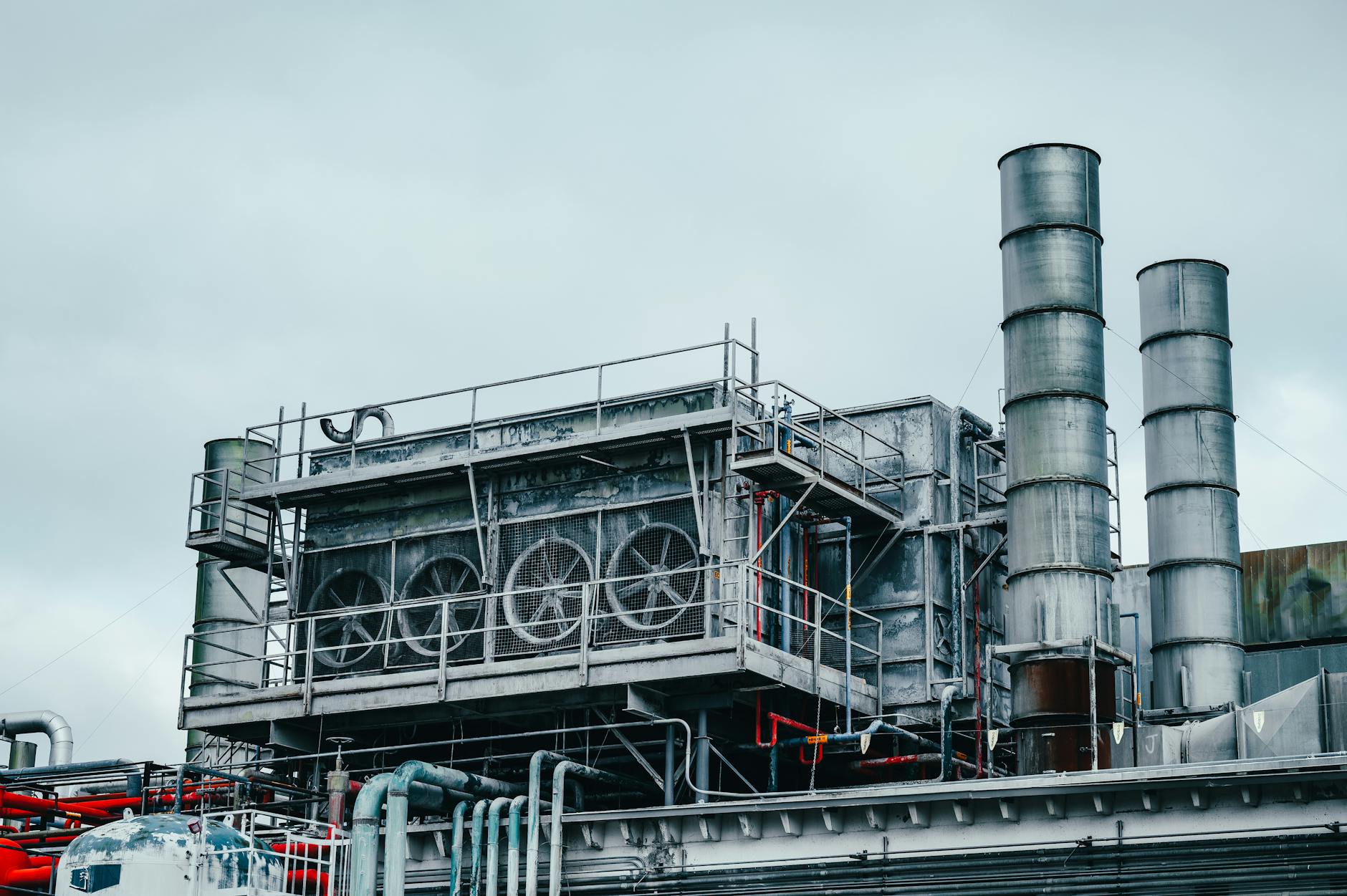
Mesothelioma Lawyer Missouri: Asbestos Exposure at Honeywell’s Danville Facility


Critical Filing Deadline: Missouri’s Five-Year Window Is Not Unlimited

Missouri law gives asbestos disease victims five years from the date of diagnosis to file a personal injury claim. That deadline is firm. If you or a family member worked at Honeywell’s Danville facility and have been diagnosed with mesothelioma, asbestosis, or asbestos-related lung cancer, call a Missouri asbestos attorney today. Evidence disappears. Witnesses die. Trust funds pay out and then stop. The only deadline that matters right now is yours.


Workers at the Honeywell manufacturing facility in Danville, Illinois may have been exposed to asbestos-containing materials for decades without adequate warning. If you or a family member worked at this facility and have been diagnosed with mesothelioma, asbestosis, or lung cancer, a Missouri asbestos attorney can explain what materials were reportedly present, which trades faced the highest exposure risks, and what legal options may exist to recover compensation. This guide walks you through what we know about this facility, which manufacturers are accountable, and how to move forward.


Section 1: Asbestos-Containing Materials Reportedly at the Honeywell Danville Facility

Why Industrial Plants Ran on Asbestos

Asbestos became the dominant industrial insulation material throughout the twentieth century because it delivered properties no synthetic alternative could match at the time:

  • Heat resistance: Withstands temperatures exceeding 1,000°F
  • Tensile strength: Lightweight yet durable under mechanical stress
  • Chemical resistance: Resists degradation from industrial acids and process chemicals
  • Electrical insulation: Non-conductive under high-voltage conditions
  • Acoustic dampening: Absorbs sound in loud industrial environments
  • Low cost: Abundant and inexpensive through the mid-twentieth century

At manufacturing facilities like Honeywell’s Danville plant, boilers, steam pipes, furnaces, turbines, pumps, valves, and electrical systems all generated or carried extreme heat. These systems reportedly incorporated extensive asbestos-containing insulation and components from approximately the 1930s through the 1970s.

When You Worked There Determines What Claims You Have

The period when you worked at the facility determines which legal claims apply and which asbestos trust fund sources you may be able to access:

  • Pre-1940s: Asbestos use already widespread and expanding
  • 1940s–1960s: Peak industrial asbestos use; virtually every major manufacturing plant built or renovated during this period reportedly incorporated asbestos-containing materials throughout
  • 1970s: OSHA issued its first asbestos standards in 1971 and strengthened them in 1972; some facilities began transitioning away from asbestos products
  • 1980s: New installations declined sharply; removal and renovation projects created new exposure risks as previously installed asbestos-containing materials were cut, broken, and disturbed
  • 1989: EPA attempted to ban most asbestos products under the Toxic Substances Control Act
  • 1990s–present: Legacy asbestos-containing materials continue to pose exposure risks during maintenance, renovation, and demolition

Asbestos-Containing Products Reportedly Present at the Facility

Boiler Insulation and Components

Workers may have been exposed to asbestos-containing materials in the facility’s steam generation systems:

  • Block insulation made of amosite (brown asbestos) and chrysotile (white asbestos) applied to boiler shells
  • Sectional pipe covering on steam lines leading to and from boilers
  • Asbestos-containing refractory cement and castable materials lining boiler fireboxes, potentially supplied by Combustion Engineering or North American Refractories Company (NARCO)
  • Asbestos rope sealing boiler doors and access hatches
  • Insulating cement applied over block insulation as a finish coat

Pipe and Mechanical System Insulation

Steam and hot water distribution systems throughout the facility reportedly involved:

  • Pre-formed sectional pipe covering potentially manufactured by Johns-Manville Corporation or Owens-Illinois, including the “Kaylo” brand pipe covering
  • Asbestos-containing insulation for elbows, tees, flanges, and valves
  • Asbestos rope and woven tape for expansion joint packing

Gaskets and Packing Materials

Gaskets and packing represent one of the most common—and most frequently overlooked—sources of occupational asbestos exposure:

  • Compressed asbestos fiber sheet gaskets in piping and valve systems
  • Asbestos-filled metal spiral gaskets in high-pressure flange connections
  • Braided asbestos rope for valve stem packing
  • Asbestos packing in industrial pumps

These materials were commonly manufactured by Garlock Sealing Technologies, John Crane Inc., and Flexitallic—companies that are now defendants in asbestos litigation or maintain asbestos bankruptcy trust funds.

Electrical Insulation and Components

Asbestos-containing materials were reportedly used throughout the facility’s electrical systems:

  • High-temperature electrical wiring with asbestos braiding or jacket insulation
  • Asbestos in electrical switchgear and arc-quenching components
  • Asbestos-containing electrical insulating board, including Johns-Manville Corporation’sTransite” products, reportedly used in electrical rooms and panel enclosures

Flooring, Ceiling, and Structural Materials

Asbestos-containing materials appeared throughout the facility’s built environment:

  • Vinyl asbestos floor tiles, nearly ubiquitous through the 1970s, potentially supplied by Armstrong World Industries or Celotex Corporation
  • Asbestos-containing acoustic ceiling tiles, potentially manufactured by Armstrong World Industries
  • Asbestos-cement roofing products, potentially from Johns-Manville Corporation
  • Sprayed-on asbestos fireproofing on structural steel, potentially supplied by W.R. Grace

Friction Products

Given Honeywell’s corporate lineage through Bendix Corporation—one of the largest manufacturers of asbestos-containing brake and clutch products in the United States—maintenance operations at this facility may have involved:

  • Asbestos-containing brake linings in industrial vehicles and equipment
  • Asbestos-containing clutch pads
  • Friction products potentially supplied by Eagle-Picher Industries

Manufacturers Whose Products Were Allegedly Supplied to the Facility

Asbestos-containing materials at the Danville facility may have been supplied by numerous manufacturers. Products from the following companies may have been present, though specific procurement records require investigation:

  • Johns-Manville Corporation — pipe covering, block insulation, cement, “Transite” electrical insulating board, roofing, and other products
  • Owens-Illinois / Owens Corning — “Kaylo” brand pipe covering and asbestos-containing insulation products
  • Armstrong World Industries — floor tiles, ceiling tiles, and insulation products
  • Celotex Corporation — asbestos-containing building materials and floor tiles
  • Combustion Engineering — boiler components and refractory products
  • Garlock Sealing Technologies — gaskets and packing materials
  • John Crane Inc. — packing and sealing products
  • Pittsburgh Corning — “Unibestos” brand pipe insulation
  • Fibreboard Corporation — insulation products
  • North American Refractories Company (NARCO) — refractory products, connected to Honeywell’s corporate family
  • Bendix Corporation — friction products, now part of Honeywell’s corporate family
  • Philip Carey Manufacturing — pipe insulation and building materials
  • Eagle-Picher Industries — friction materials, insulation, and other product categories
  • W.R. Grace — sprayed-on fireproofing and other products
  • Georgia-Pacific — building materials
  • Crane Co. — piping components and valves

Section 2: Job Categories with Elevated Asbestos Exposure Risk

Exposure Depended on What You Did and Where You Worked

Workers at the Danville facility did not all face equal exposure risks. Exposure depended on job duties, proximity to asbestos-containing materials, and whether those materials were being cut, removed, or disturbed. These are not academic distinctions — they directly affect how a claim is built and which defendants are liable.

Boilermakers

Boilermakers rank among the most heavily exposed trades at any facility running steam generation systems. Workers may have been exposed through:

  • Installing and removing asbestos-containing block insulation from boiler shells
  • Installing and removing asbestos-containing refractory cements and castables from boiler fireboxes
  • Repairing boiler insulation during maintenance and scheduled outages
  • Installing and removing asbestos rope sealing boiler doors and access hatches
  • Disturbing settled asbestos dust during routine boiler inspections and repairs

Pipe Fitters and Plumbers

Workers in these trades may have been exposed while:

  • Installing and removing asbestos-containing sectional pipe covering, potentially including Johns-Manville Corporation products or the “Kaylo” brand
  • Installing and removing asbestos-containing insulation on elbows, tees, and fittings
  • Repairing and replacing asbestos-containing pipe insulation during maintenance operations
  • Working with asbestos rope and woven tape in expansion joints

Maintenance and Mechanical Technicians

Facility maintenance staff may have been exposed through:

  • Routine inspection, lubrication, and repair of equipment containing asbestos-containing gaskets and packing, potentially manufactured by Garlock Sealing Technologies or John Crane Inc.
  • Maintenance of piping systems with asbestos-containing insulation
  • Replacing asbestos-containing gaskets and packing in valves, pumps, and flange connections
  • Handling tools and equipment contaminated with asbestos dust from prior maintenance operations

Insulators and Insulation Installers

Workers in this trade, potentially including members of Heat and Frost Insulators Local 1 (St. Louis, MO) or affiliated locals, may have been exposed while:

  • Installing asbestos-containing block insulation on boiler shells
  • Installing asbestos-containing sectional pipe covering from manufacturers including Johns-Manville Corporation and Owens-Illinois
  • Installing asbestos-containing insulation in HVAC systems
  • Installing asbestos-containing refractory materials from Combustion Engineering or North American Refractories Company
  • Cutting and fitting asbestos-containing materials to equipment during installation

Electricians

Electricians may have been exposed through:

  • Installing electrical wiring with asbestos-containing insulation
  • Installing asbestos-containing electrical insulating board, including Johns-Manville Corporation’sTransite,” in electrical rooms and panels
  • Working near asbestos-containing materials in electrical switchgear
  • Handling electrical components with asbestos-containing arc chutes

Production and Equipment Operators

Factory floor workers may have been exposed through:

  • Operating and monitoring equipment with asbestos-containing insulation and gaskets, potentially manufactured by Garlock Sealing Technologies
  • Working near maintenance operations that disturbed asbestos-containing materials
  • Incidental contact with asbestos dust on equipment and work surfaces

Carpenters and Construction Workers

Workers performing renovation and construction may have been exposed while:

  • Installing asbestos-containing floor tiles and ceiling tiles from manufacturers including Armstrong World Industries and Celotex Corporation
  • Installing asbestos-containing roofing materials from Johns-Manville Corporation
  • Removing or repairing asbestos-containing materials during renovation projects
  • Working in areas with sprayed-on asbestos fireproofing, potentially from W.R. Grace

Vehicle and Equipment Mechanics

Workers in this category may have been exposed to:

  • Asbestos-containing brake linings from manufacturers including Bendix Corporation and Eagle-Picher Industries during vehicle and equipment maintenance
  • Asbestos-containing clutch pads during repair operations
  • Airborne asbestos dust generated during brake service and repair

Janitorial and Housekeeping Staff

These workers may have been exposed through:

  • Sweeping and cleaning areas contaminated with asbestos dust
  • Handling contaminated materials and tools
  • Incidental disturbance of asbestos-containing materials in floor and ceiling tiles from manufacturers including Armstrong World Industries

Outside Contractors


For informational purposes only. Not legal advice. No attorney-client relationship is created by reading this page. © 2026 Rights Watch Media Group LLC — Disclaimer · Privacy · Terms · Copyright