Zion Nuclear Power Station Asbestos Exposure: What Missouri Workers Need to Know
Why This Matters Now
URGENT: Missouri’s Missouri’s asbestos statute of limitations cut the statute of limitations for asbestos claims from 5 years to 2 years. If you or a loved one was diagnosed after April 2023, you may have only months left to file. Miss this deadline and you permanently forfeit your right to compensation — no exceptions, no extensions.
If you worked at Zion Nuclear Power Station between 1968 and 2010 — or if your spouse brought asbestos dust home on work clothing — you were likely exposed at one of the most asbestos-saturated industrial facilities ever built in America. Thousands of workers at this Commonwealth Edison facility are now developing mesothelioma, asbestosis, lung cancer, and pleural disease 40 to 50 years after their exposure. If you’re a Missouri resident or worked the Mississippi River industrial corridor, a qualified mesothelioma lawyer Missouri can evaluate your case. You have legal rights. This guide tells you what happened at Zion, which products exposed you, and what you need to do today.
What Is Zion Nuclear Power Station?
Facility Location and History
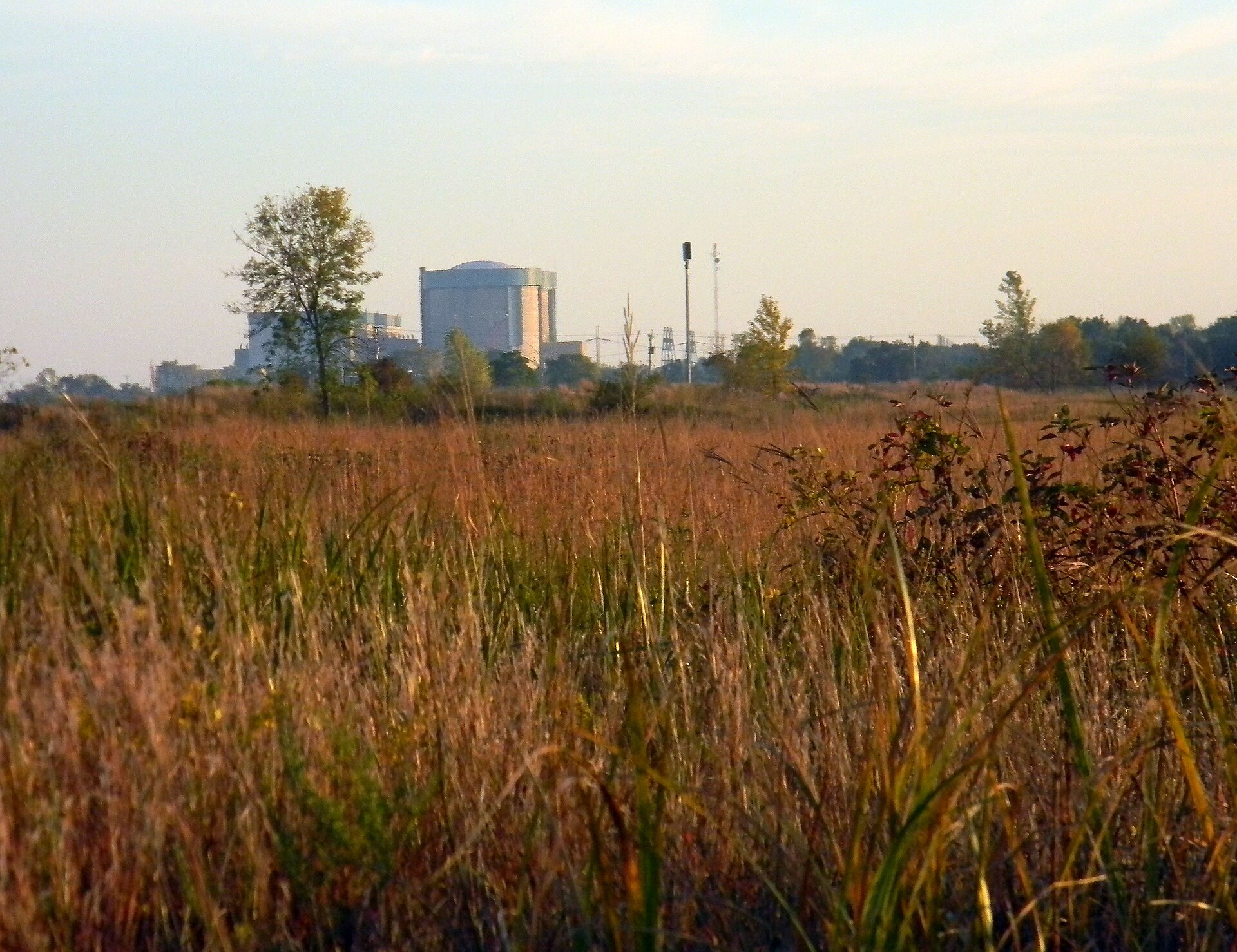
Zion Nuclear Power Station sits on the western shore of Lake Michigan in Zion, Illinois, approximately 40 miles north of Chicago in Lake County. Commonwealth Edison Company — now part of Exelon Corporation — built the facility starting in the late 1960s. Westinghouse Electric Corporation designed the reactors.
Two reactors operated at Zion:
- Unit 1: Commercial operation began December 31, 1973
- Unit 2: Commercial operation began September 17, 1974
Each reactor generated approximately 1,040 megawatts net — among the largest commercial nuclear reactors in the world at the time.
Operational Timeline:
- Construction: Late 1960s–1974
- Operation: 1973–1998
- Shutdown: Unit 1 closed February 13, 1998; Unit 2 closed September 2, 1998
- Decommissioning: 2010–early 2020s, performed by EnergySolutions under Exelon
Who Worked at Zion?
The facility employed thousands of workers across construction and operational phases.
Direct Commonwealth Edison Staff:
- Operations and maintenance personnel
- Security and administrative staff
Construction and Outage Contractors (union and non-union):
- Ironworkers and structural workers
- Pipefitters and steamfitters (UA Local 562 in St. Louis; Chicago-area UA locals)
- Insulators (Heat and Frost Insulators Local 1, serving Chicago and northern Illinois)
- Boilermakers (Boilermakers Local 1)
- Electricians (IBEW local unions)
- Millwrights
- Operating engineers
- Laborers
- Painters
- Sheet metal workers
Refueling Outage Workers: Hundreds of trades workers cycled through Zion during planned refueling outages lasting weeks at a time. Many also worked Dresden, Quad Cities, Braidwood, Byron, and other ComEd facilities across Illinois — accumulating asbestos exposure at every site. That same pattern repeated at Ameren UE’s Labadie Energy Center (Franklin County, MO), Portage des Sioux Power Plant (St. Charles County, MO), Sioux Energy Center (St. Charles County, MO), and Rush Island Energy Center (Jefferson County, MO).
Decommissioning Workers (2010–2020s): Workers who demolished and decommissioned the facility after shutdown encountered legacy asbestos-containing materials still in place throughout the plant.
Why Nuclear Power Plants Were Built With Asbestos
Extreme Temperature Requirements
Zion’s pressurized water reactor system created conditions that drove asbestos use throughout every system in the facility:
- Primary reactor loop: Circulated coolant at approximately 600°F and over 2,000 pounds per square inch
- Secondary steam system: Operated above 500°F
- Every pipe, valve, pump, and piece of equipment carrying high-temperature steam or reactor coolant required thermal insulation
Johns-Manville, Owens Corning/Owens-Illinois, Armstrong World Industries, Celotex, and Eagle-Picher supplied asbestos as the dominant insulation material for all thermal protection applications. No adequate non-asbestos alternatives existed at the time of construction.
Fire Protection and Regulatory Standards
Nuclear Regulatory Commission standards mandated extensive fire suppression and fire-rated construction throughout the facility. Asbestos went into:
- Spray-applied fireproofing on structural steel (W.R. Grace Monokote and similar products)
- Fire-rated wall and ceiling panels (Gold Bond and Sheetrock products containing asbestos)
- Fire doors and seals
- Gasket and packing materials at every connection and valve (Garlock Sealing Technologies and Crane Co. products)
Environmental Challenges
Lake Michigan’s proximity created humidity problems requiring additional asbestos insulation on cold-water systems, chillers, and air handling equipment.
What the Industry Knew — and Didn’t Tell Workers
Nuclear power plants built in the 1960s and 1970s ranked among the most heavily asbestos-laden industrial facilities ever constructed in the United States. Workers were not warned. Supervisors told workers the dust was harmless. No protective equipment was provided. This was not accidental — it was the standard operating pattern across the Missouri-Illinois industrial corridor: Granite City Steel/U.S. Steel (Granite City, IL), Laclede Steel (Alton, IL), Alton Box Board (Alton, IL), Monsanto Chemical (Sauget, IL/St. Louis, MO), Shell Oil/Roxana Refinery (Wood River, IL), and Clark Refinery (Wood River, IL).
Asbestos Exposure: Who Was Exposed and How
Insulators: The Highest-Risk Trade
Thermal insulators faced the most direct and intense asbestos exposure at Zion. Members of Heat and Frost Insulators Local 1 (St. Louis, MO) and Chicago-area Heat and Frost Insulators locals worked daily with:
Exposure activities:
- Wrapping Johns-Manville Thermobestos and Owens Corning Kaylo asbestos pipe covering around high-temperature piping
- Mixing and applying asbestos insulating cement to coat insulation and seal fittings
- Cutting, trimming, and fitting pre-molded asbestos pipe covering to pipe fittings and flanges
- Handling Eagle-Picher magnesia asbestos block insulation on boilers, steam generators, and heat exchangers
- Removing and replacing deteriorated Celotex asbestos insulation during maintenance outages
- Installing Armstrong asbestos-containing products on thermal systems
Primary asbestos products:
- Owens Corning Kaylo (chrysotile asbestos pipe covering)
- Johns-Manville Thermobestos (asbestos pipe insulation and cement)
- Armstrong World Industries asbestos products
- Celotex Corporation asbestos pipe and block insulation
- Eagle-Picher magnesia pipe covering
- Unibestos products
Insulators worked directly with these materials for hours each day, generating visible clouds of asbestos dust. No respirators were provided or required during most of the operational period.
Pipefitters and Steamfitters: Secondary Exposure Risk
Pipefitters and steamfitters — including members of Plumbers and Pipefitters UA Local 562 (St. Louis, MO) — formed one of the largest trades at Zion and absorbed substantial asbestos exposure through both installation and maintenance work.
Installation and assembly work:
- Installing Johns-Manville Thermobestos and Owens Corning Kaylo pipe covering on new piping systems
- Fitting Garlock Sealing Technologies asbestos sheet gaskets and Crane Co. asbestos packing into every flanged connection and valve
- Handling pre-insulated piping that arrived on-site with Johns-Manville or Eagle-Picher asbestos insulation already applied
- Cutting Celotex and Armstrong insulation to fit around pipe supports, hangers, and equipment
Maintenance and repair work:
- Removing asbestos packing from pump shafts and valve stems
- Replacing Garlock and Crane Co. asbestos gaskets on flanged connections
- Disturbing Thermobestos and Kaylo asbestos insulation when repairing or replacing pipes and valves
Primary asbestos products:
- Garlock Sealing Technologies asbestos sheet gaskets and braided packing
- Crane Co. packing and mechanical seals with asbestos
- Johns-Manville and Unibestos pipe covering and insulating cement
- Owens Corning Kaylo
- Eagle-Picher thermal insulation
- Flexitallic spiral-wound gaskets with asbestos filler
- A.W. Chesterton asbestos compression packing
Cutting Garlock asbestos sheet gaskets to fit flanges generated substantial respirable dust. Replacing Crane Co. packing on pump shafts and valve stems released fibers directly into the breathing zone. Workers who spent 10 to 30 years across multiple nuclear stations, petrochemical refineries, and power plants now face significantly elevated mesothelioma and lung cancer risks.
Boilermakers: Intensive Asbestos Contact
Boilermakers assembled and maintained the pressure vessels, steam generators, feedwater heaters, and auxiliary boilers at Zion.
Exposure activities:
- Installing Johns-Manville and Celotex asbestos block insulation and asbestos cement on boiler casings and steam generators
- Applying Johns-Manville Thermobestos asbestos insulating cement to finish and coat insulation
- Removing and replacing Eagle-Picher and Armstrong asbestos insulation during maintenance and repairs
- Handling Combustion Engineering and A.P. Green Refractories asbestos-containing refractory materials used in furnace settings
Primary asbestos products:
- Johns-Manville asbestos thermal insulation packages
- Combustion Engineering asbestos-containing components
- Celotex asbestos block insulation and cement
- Eagle-Picher magnesia asbestos insulation
- Armstrong asbestos products
- A.P. Green Refractories and Harbison-Walker asbestos refractory cement
- Kaiser Refractories asbestos-containing materials
Boilermakers spent extended periods working directly with these materials during major outages and emergency repairs — at Zion and at comparable facilities including Ameren UE’s Rush Island Energy Center (Jefferson County, MO).
Electricians: Electrical Equipment Exposures
Electricians encountered asbestos in electrical equipment and systems throughout Zion.
Exposure activities:
- Installing Westinghouse Electric and General Electric switchgear, motor control centers, and transformers containing asbestos arc-chute and insulation components
- Servicing Westinghouse equipment with asbestos arc suppressors
- Working on Square D electrical distribution equipment with asbestos insulation
- Cutting and routing electrical conduit surrounded by W.R. Grace Monokote asbestos fireproofing and Johns-Manville insulation
- Handling cable with asbestos-containing jackets
Primary asbestos products:
- Westinghouse Electric switchgear and generator insulation
- General Electric equipment asbestos arc suppressors
- Square D arc-chute and insulation components
- Johns-Manville insulated cable with asbestos-containing jackets
- W.R. Grace Monokote spray fireproofing
Electricians worked on and around asbestos-containing equipment for entire careers at Zion. Cumulative exposure across decades at multiple nuclear stations and industrial facilities produced disease loads that are now surfacing in diagnosis rates across the trade.
Diseases Caused by Zion Asbestos Exposure
Mesothelioma
Malignant mesothelioma is the signature asbestos disease. It attacks the lining of the lungs (pleural mesothelioma), abdomen (peritoneal mesothelioma), or heart (pericardial mesothelioma). There is no safe level of asbestos exposure — mesothelioma has developed in workers with limited, brief contact. Latency periods of 20
Litigation Landscape
Workers at nuclear power stations like Zion faced asbestos exposure through insulation, gaskets, valves, and thermal protection systems installed during construction and maintenance. Litigation arising from such facilities has identified major manufacturers as defendants, including Combustion Engineering, Babcock & Wilcox, Johns-Manville, Crane Co., Armstrong, Garlock, and W.R. Grace. These companies supplied critical components—steam generators, boilers, piping insulation, and valve packing—that contained asbestos and degraded over decades of operation.
Bankruptcy trust funds established by these manufacturers remain accessible to exposed workers. The Combustion Engineering Asbestos Settlement Trust, Babcock & Wilcox Nuclear Operations Group Asbestos Trust, Johns-Manville Asbestos Personal Injury Settlement Trust, Crane Co. Asbestos Property Damage Trust, and Armstrong Industries Asbestos Settlement Trust represent significant compensation sources. W.R. Grace and Garlock also established trusts that may cover specific product categories used in power plant environments.
Claims arising from nuclear and conventional power plant exposures have been documented in publicly filed litigation across state and federal courts. These cases typically involve both direct exposure (workers handling insulation and components) and bystander exposure (workers in adjacent areas where asbestos-containing materials were disturbed). Settlement patterns reflect the latency of mesothelioma and lung cancer—many claims emerge years or decades after exposure ceased.
Missouri workers who were employed at the Zion station or similar facilities and later developed mesothelioma, lung cancer, or asbestos-related disease should consult an experienced Missouri asbestos attorney promptly. O’Brien Law Firm has represented workers with occupational asbestos exposure and can evaluate potential claims against manufacturers and applicable trust funds.
Missouri DNR Asbestos Notification Records
The following 4 project notification(s) are documented with the Missouri Department of Natural Resources (NESHAP program) for Ameren Missouri in Labadie. These are public regulatory records.
| Project ID | Year | Site / Building | Operation | ACM Removed | Contractor |
|---|---|---|---|---|---|
| A6884-2015 | 2016 | 2016 O&M Ameren Labadie Power Station | OM | Will advise per project. | Envirotech, Inc. |
| A7273-2017 | 2017 | Ameren Labadie Power Station | Renovation | 800sf frbl TSI, 128sf n-f galbestos, 200lf frbl TSI, 20lf frbl gasket | Envirotech, Inc. |
| 5959-2013 | 2013 | Labadie Energy Center Microwave Bldg | Demolition | caulk, metal siding (asb contr=CENPRO) (NF I-550sf; NF II-91lf) | Plocher Construction Company Inc. |
| 11366-2022 | 2022 | Ameren Labadie Entrance Bridge | Demolition | none | Spirtas Wrecking Company |
Source: Missouri Department of Natural Resources, NESHAP Asbestos Abatement & Demolition/Renovation Notification Program — public regulatory records.
Recent News & Developments
Decommissioning Activity and Asbestos Disturbance Risk
The Commonwealth Edison Zion Nuclear Power Station, located in Zion, Lake County, Illinois, ceased commercial power generation in 1998 following a series of operational and regulatory difficulties that led the Nuclear Regulatory Commission (NRC) to downgrade the facility’s operating license. The plant’s extended decommissioning process has been one of the most closely monitored nuclear site cleanups in the Midwest. ZionSolutions LLC, a subsidiary of EnergySolutions, assumed responsibility for decommissioning operations beginning around 2010 under a first-of-its-kind merchant decommissioning model. Large-scale demolition of the turbine buildings, reactor structures, and auxiliary facilities has been ongoing, with the NRC issuing periodic inspection reports documenting progress. Demolition activities of this scope — involving structures built during the 1960s and 1970s — are well-documented to disturb asbestos-containing materials present in pipe insulation, thermal lagging, gaskets, fireproofing compounds, and floor tiles installed during original construction.
Regulatory Oversight and NESHAP Applicability
Facilities undergoing demolition and renovation of this type are subject to EPA National Emission Standards for Hazardous Air Pollutants (NESHAP) under 40 CFR Part 61, Subpart M, which requires advance notification to state and federal regulators, thorough asbestos inspections prior to demolition, and proper wet-method removal and disposal of regulated asbestos-containing materials. The Illinois Environmental Protection Agency (IEPA) serves as the primary NESHAP enforcement authority for this site. No specific publicly reported EPA enforcement actions or OSHA citations directly naming the Zion Nuclear Power Station for asbestos violations appear in readily available public records as of the time of this writing. However, OSHA regulations under 29 CFR 1926.1101 govern asbestos exposure during all demolition and renovation work at the site and apply to all contractors performing this work.
Product Identification and Manufacturer Context
Nuclear power stations constructed during the same era as Zion — with its Unit 1 and Unit 2 reactors entering service in 1973 and 1974, respectively — routinely incorporated asbestos-containing products from manufacturers including Combustion Engineering, Babcock & Wilcox, Johns-Manville, Owens-Illinois, Armstrong World Industries, and W.R. Grace. These materials were commonly used in reactor coolant system insulation, turbine lagging, valve packing, and mechanical room fireproofing. Documentation from similar Illinois nuclear facilities and contemporaneous construction records have identified these and other manufacturers as suppliers to nuclear construction projects during this period.
Litigation Landscape
No specific publicly reported asbestos verdicts or settlements exclusively naming the Zion Nuclear Power Station as the sole exposure site have been identified in available public records. However, asbestos litigation involving nuclear power plant workers — including pipefitters, insulators, electricians, and maintenance contractors — has been active in Illinois state and federal courts for decades, with claims frequently naming multiple product manufacturers alongside facility operators.
Workers or former employees of Commonwealth Edison Zion Nuclear Power Station Lake County Illinois who were diagnosed with mesothelioma, lung cancer, or asbestosis may have legal rights under Missouri law. Missouri § 537.046 extends the civil filing window for occupational disease claims.
For informational purposes only. Not legal advice. No attorney-client relationship is created by reading this page. © 2026 Rights Watch Media Group LLC — Disclaimer · Privacy · Terms · Copyright