Missouri Mesothelioma Lawyer: Your 5-Year Filing Deadline Is at Risk
FILING DEADLINE WARNING: Missouri gives asbestos disease victims five years from diagnosis to file a claim. Pending 2026 legislation could cut that window short and stack procedural barriers that didn’t exist before. If you’ve been diagnosed, the clock is already running.
Call today. Talk to a Missouri mesothelioma attorney who handles nothing but toxic tort cases.
Asbestos Exposure Across Missouri’s Industrial Sites
Missouri’s power plants, steel mills, and manufacturing facilities put generations of workers in daily contact with friable asbestos. The dust was in the insulation, the gaskets, the fireproofing — and nobody warned the men doing the work.
Who Was at Risk
Power Plant and Utility Workers at facilities including Labadie Energy Center and Portage des Sioux Power Plant reportedly worked alongside asbestos-insulated pipe systems, boilers, and electrical components throughout their careers. Maintenance and repair work — pulling old insulation, cutting through fireproofing — may have generated the heaviest exposures.
Laborers and General Workers represented by the Laborers’ International Union of North America were routinely assigned cleanup tasks that put them directly in contact with asbestos-laden debris. Sweeping dry asbestos dust off concrete floors produced the kind of airborne fiber concentrations that cause mesothelioma decades later.
Missouri’s 5-Year Statute of Limitations — And the Threat to It
What the Law Says Now
Under § 516.120 RSMo, Missouri asbestos victims have five years from the date of diagnosis to file suit. That is one of the longer windows in the country, and it matters — mesothelioma has a latency period of 20 to 50 years, and families often need time to gather records, identify responsible parties, and retain counsel.
What Could Change
The five-year window exists today. It may not exist in the same form a year from now.
An experienced Missouri asbestos attorney can file your claim under current law before any changes take effect. Waiting is the one thing you cannot afford to do.
How Missouri Mesothelioma Compensation Works
You Have More Than One Path to Recovery
Asbestos Bankruptcy Trust Claims — Dozens of former asbestos manufacturers have reorganized through bankruptcy and established compensation trusts. In Missouri, victims can file trust claims simultaneously with traditional litigation. These are separate pools of money, and you don’t have to choose between them.
Litigation in St. Louis City Circuit Court — St. Louis has handled asbestos dockets for decades. The judges understand the medicine, the industrial history, and what it takes to prove causation. Venue selection is a strategic decision your attorney makes based on your specific exposure history and defendants — and it can significantly affect your outcome.
Multi-State Industrial Corridor Cases — Missouri workers who may have been exposed to asbestos at facilities along the Mississippi River Industrial Corridor may have viable claims in multiple states. Illinois courts have their own asbestos litigation history, and cross-state exposure creates options that a general practice firm may not recognize.
Why Union Members Need Specialized Counsel
Heat and Frost Insulators Local 1, UA Local 562, Boilermakers Local 27 — members of these unions worked in the trades where asbestos exposure was heaviest and most sustained. Union-specific benefit coordination, trust fund eligibility tied to work history, and the interplay between workers’ compensation and civil litigation are not areas where you want a generalist.
An attorney who has spent years handling Missouri asbestos cases knows which trusts apply to which trade, which defendants have been successfully sued in St. Louis, and how to build a claim from union work records and coworker testimony.
Before You Call a Lawyer: What Strengthens Your Case
Get evaluated by a physician who understands asbestos disease. Early diagnosis improves treatment options. It also establishes a documented medical record that ties your condition to occupational exposure — which is the foundation of any legal claim.
Preserve everything. Employment records, union cards, pension documents, old pay stubs, photographs from job sites — all of it can establish where you worked and what materials you handled. Companies destroy records. Workers who hold onto their own documentation have stronger cases.
Act while witnesses are available. Former coworkers who can testify to the conditions at a particular facility are essential. They get harder to find every year.
Facilities Where Missouri Workers Were Allegedly Exposed
Labadie Energy Center, Portage des Sioux Power Plant, Monsanto facilities, and Granite City Steel are among the Missouri industrial sites where workers reportedly encountered asbestos-containing materials during the decades when those products were in routine use. Exposure at these and similar facilities is alleged to have caused mesothelioma, lung cancer, and asbestosis in workers who had no knowledge of the risk at the time.
Your 5-Year Window Is Open. Make the Call.
Results vary, and past outcomes do not guarantee what a court will award in your case. What is guaranteed is this: a claim not filed is a claim lost. Missouri’s five-year statute of limitations is real, the legislative threat to it is real, and the only way to protect your family’s financial future is to act while the law is still on your side.
Call today. A Missouri mesothelioma attorney will review your case at no charge and tell you exactly where you stand.
Litigation Landscape
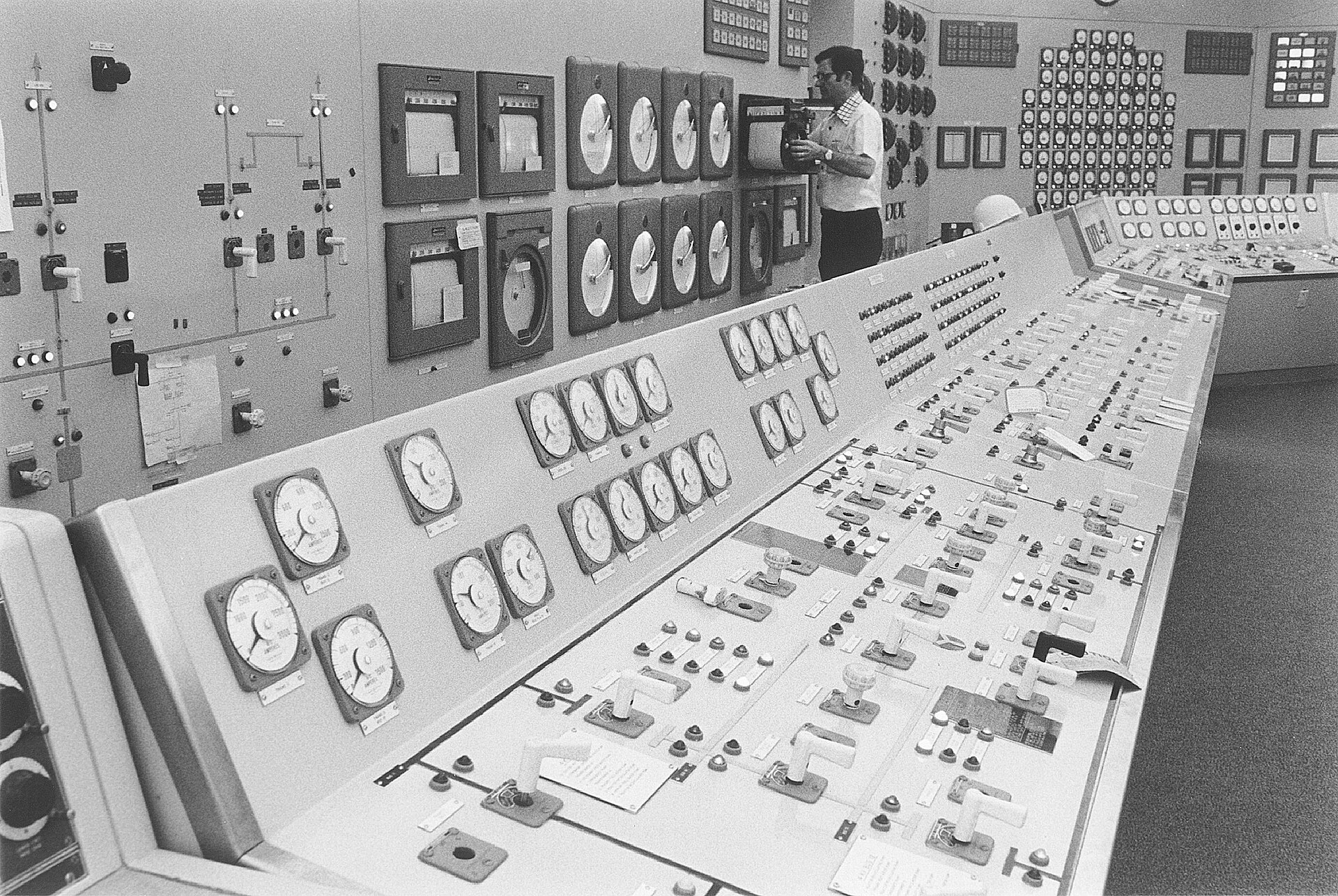
Power generation facilities of this era typically involved extensive asbestos-containing materials in insulation, gaskets, valve packing, pipe covering, and boiler components. Documented asbestos litigation arising from nuclear and coal-fired power stations has identified several manufacturers as defendants, including Combustion Engineering, Babcock & Wilcox, Johns-Manville, Crane Co., Garlock, Armstrong, W.R. Grace, and Eagle-Picher. These companies supplied insulation products, thermal system components, and equipment seals widely used in power plant construction and maintenance during the mid-to-late twentieth century.
Workers exposed at Dresden and similar facilities may pursue claims through multiple channels. Asbestos bankruptcy trust funds established by several of these manufacturers remain accessible, including the Combustion Engineering trust, Babcock & Wilcox trust, Johns-Manville personal injury settlement trust, Crane Co. trust, Garlock trust, Armstrong trust, W.R. Grace trust, and Eagle-Picher trust. Each trust maintains its own claims procedures and compensation schedules based on historical product identification and exposure documentation.
Publicly filed litigation involving power plant workers has established that occupational exposure claims in this industry are viable when medical records, work history, and product identification can be correlated. Common defendants in such cases include equipment manufacturers, insulation suppliers, and sometimes plant operators or contractors who failed to warn of asbestos hazards.
Workers who suspect mesothelioma, lung cancer, or asbestosis from Dresden exposure should act promptly, as diagnosis triggers critical filing deadlines. An experienced Missouri asbestos attorney can evaluate your exposure history, identify applicable trust funds and defendants, and guide you through the claims process. Contact O’Brien Law Firm for a confidential consultation.
Recent News & Developments
No facility-specific asbestos litigation verdicts, OSHA citations, or EPA enforcement actions against Commonwealth Edison’s Dresden Nuclear Power Station appear in currently available public records or recent news databases. However, the regulatory and operational history of this site provides meaningful context for understanding the ongoing exposure risk landscape.
Operational and Decommissioning Activity
Dresden Nuclear Power Station, located in Grundy County, Illinois, holds the distinction of being the first privately financed commercial nuclear power plant in the United States. Unit 1 was permanently shut down in 1978, and Exelon Generation (successor to Commonwealth Edison) subsequently initiated decommissioning planning for that unit. Decommissioning activities at aging nuclear facilities are among the most regulated and high-risk scenarios for asbestos disturbance, as insulation, gaskets, packing materials, and fireproofing installed during original construction — often spanning the 1950s through 1970s — may contain significant concentrations of asbestos-containing materials. Dresden Units 2 and 3 continued operating into the 2020s, though Exelon announced in 2021 that both units were slated for early retirement due to economic pressures, before a state energy subsidy package ultimately preserved their operation. Any future decommissioning work at Units 2 and 3 will trigger mandatory compliance with EPA NESHAP regulations under 40 CFR Part 61, Subpart M, which govern asbestos handling and notification requirements during demolition and renovation of affected structures.
Regulatory Framework
Facilities of this age and construction type are subject to ongoing federal oversight. OSHA’s asbestos standard for construction work (29 CFR 1926.1101) applies to contractors performing maintenance, repair, and renovation at the site. Nuclear power plants built in the mid-twentieth century routinely incorporated asbestos-containing products from manufacturers including Johns-Manville, Owens-Illinois, Combustion Engineering, Babcock & Wilcox, and Armstrong World Industries — particularly in pipe insulation, turbine insulation, boiler lagging, valve packing, and gasket materials common to the steam-generation systems present at Dresden.
Litigation Context
While no publicly reported asbestos verdicts or settlements tied specifically to the Dresden Nuclear Power Station appear in current records, workers at nuclear facilities throughout Illinois have brought occupational asbestos disease claims in state and federal courts, frequently identifying the same manufacturers and insulation products used across the commercial nuclear industry during the construction era. Trade contractors — including pipefitters, electricians, millwrights, and insulators — have historically represented a significant share of asbestos claimants from nuclear power plant worksites.
Those seeking current case filings or regulatory enforcement records related to Dresden may consult the Illinois EPA, the Nuclear Regulatory Commission’s public document system (ADAMS), and the U.S. District Court for the Northern District of Illinois.
Workers or former employees of Commonwealth Edison Dresden Nuclear Power Station Grundy County Illinois who were diagnosed with mesothelioma, lung cancer, or asbestosis may have legal rights under Missouri law. Missouri § 537.046 extends the civil filing window for occupational disease claims.
For informational purposes only. Not legal advice. No attorney-client relationship is created by reading this page. © 2026 Rights Watch Media Group LLC — Disclaimer · Privacy · Terms · Copyright