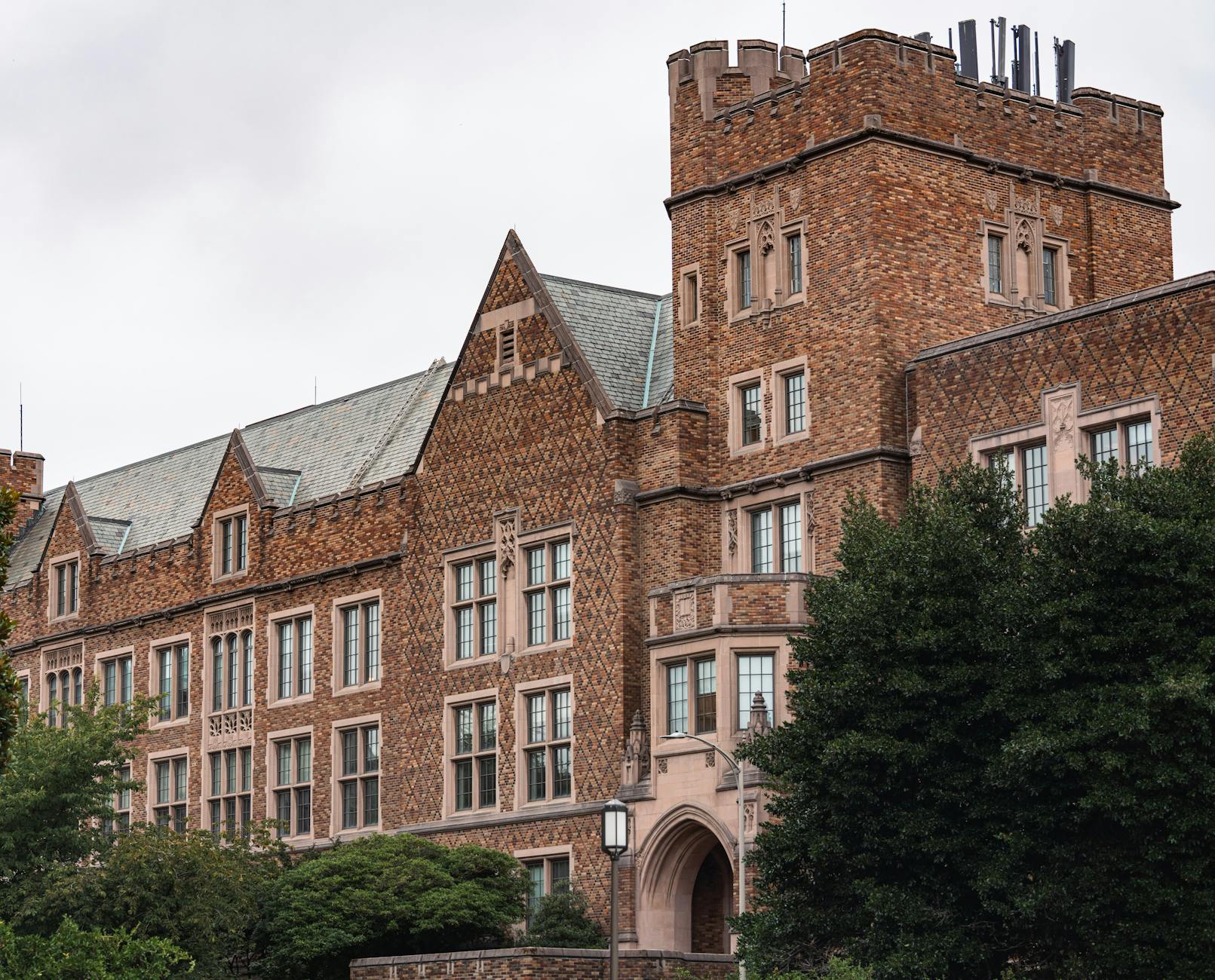
Mesothelioma Lawyer Missouri: Asbestos Exposure at Alton Mental Health Center


Missouri Filing Deadline — Act Now While Your Window Is at Its Widest

Missouri law gives asbestos and mesothelioma victims five years from diagnosis to file a civil claim under Mo. Rev. Stat. § 516.120 — one of the longest windows in the country. But that window is under active legislative threat.

The time to act is while you have the maximum runway. Call an experienced Missouri asbestos attorney now.

If you worked at Alton Mental Health Center in Alton, Madison County, Illinois, and have since developed mesothelioma, asbestosis, pleural plaques, or lung cancer, your diagnosis may be directly tied to your years there. The facility’s institutional buildings contained asbestos-containing materials throughout their mechanical systems. Workers in insulation, pipefitting, electrical, boilermaking, plumbing, carpentry, and custodial trades faced repeated, often daily asbestos exposure for decades.

You likely have legal claims against Johns-Manville, Owens Corning, Armstrong World Industries, Combustion Engineering, Crane Co., Garlock Sealing Technologies, Celotex Corporation, W.R. Grace, and Eagle-Picher Industries—the manufacturers whose products were installed at this facility and whose internal records prove they knew those products were killing workers. An experienced mesothelioma lawyer Missouri can evaluate your exposure history and identify every available claim, including .


What Was Alton Mental Health Center and Why Did Workers Get Sick?

Alton Mental Health Center is a state-operated psychiatric facility administered by the Illinois Department of Human Services. The campus includes multiple large institutional buildings constructed and expanded throughout the twentieth century—patient wards, boiler plants, maintenance structures, laundry facilities, and administrative buildings.

Every large institutional campus built or expanded between the 1930s and mid-1970s was loaded with asbestos-containing materials. State facilities, hospitals, schools, and power plants—including the Labadie Energy Center in Franklin County, Missouri, the Portage des Sioux Power Plant in St. Charles County, and the Rush Island Energy Center in Jefferson County—used asbestos on an enormous scale. Manufacturers including Johns-Manville, Owens Corning, Armstrong World Industries, W.R. Grace, and Celotex marketed asbestos as cheap, durable, and fire-resistant while concealing its lethal consequences documented in their own internal medical research.

Unlike commercial buildings eventually torn down and rebuilt, state institutions like Alton Mental Health Center were maintained, patched, repaired, and renovated continuously for decades. Every maintenance cycle created new exposure. Workers faced:

  • Repeated pipe insulation work with Johns-Manville Kaylo and Thermobestos products
  • Boiler repacking with asbestos rope
  • Valve replacement requiring removal of Garlock Sealing Technologies gaskets
  • Ceiling tile disturbance involving Armstrong Gold Bond and similar products
  • Equipment repair in contaminated mechanical spaces

Asbestos fiber concentrations in those work environments far exceeded any safe threshold. If you developed an asbestos-related disease following this kind of exposure, contact an asbestos attorney Missouri now to understand your .


Asbestos Products Used at Alton Mental Health Center

The following companies sold asbestos products to Alton Mental Health Center with full knowledge that fibers released during installation, repair, and removal were lethal:

  • Johns-Manville — Kaylo block insulation, Thermobestos pipe covering, Monokote spray-applied fireproofing, asbestos packing rope, boiler insulation, transite asbestos-cement board
  • Owens Corning Fiberglas / Owens-Illinois — pipe insulation, block insulation, Kaylo boiler block insulation products
  • Armstrong World Industries — Gold Bond ceiling tiles, vinyl asbestos floor tiles, pipe covering, insulation blankets
  • Combustion Engineering — complete boiler systems with asbestos-containing components, boiler tubes, refractory materials
  • Crane Co. — cast iron and steel valves with asbestos gaskets and packing, gate valves, globe valves, check valves
  • Garlock Sealing Technologies — compressed asbestos gaskets in all pipe sizes, valve stem packing, spiral wound gaskets, sheet gasket material
  • Flexitallic — spiral wound gaskets for high-temperature applications, sheet gaskets
  • Philip Carey Manufacturing — pipe insulation, magnesia products, asbestos-containing pipe covering
  • Eagle-Picher Industries — asbestos insulation products, pipe covering, block insulation
  • Celotex Corporation — Aircell pipe covering, asbestos insulation, boiler insulation products
  • W.R. Grace — Monokote spray-applied fireproofing, insulation materials
  • Pittsburgh Corning — Unibestos block insulation, foam insulation with asbestos binder
  • Kentile / Congoleum / Pabco — vinyl asbestos floor tiles, asbestos-containing resilient flooring

Where These Products Were Located

Steam and Heating Systems: 85% magnesia pipe insulation from Johns-Manville, Celotex, and Eagle-Picher covered high-pressure steam lines throughout the facility. Calcium silicate pipe insulation—primarily Johns-Manville Thermobestos—protected patient wards, laundry facilities, service buildings, and administrative spaces. Asbestos rope sealed steam pipe connections. Finishing cement containing asbestos fiber was applied over wrapped pipe sections, releasing fiber clouds during application and every subsequent disturbance.

Boiler Plant: Combustion Engineering boiler shells were surrounded by Johns-Manville Kaylo or Owens-Illinois Kaylo block insulation. Boiler rope secured access doors, feed water connections, and steam outlet connections. Johns-Manville boiler cement treated refractory joints. Kaylo and Unibestos block insulation covered boiler exterior surfaces, steam drums, and headers.

Mechanical Components: Garlock Sealing Technologies gaskets were standard in all valve bonnets, pump casings, and flanged connections throughout the facility. Flexitallic spiral wound gaskets appeared on high-temperature and high-pressure equipment. Johns-Manville asbestos packing rope sealed valve stems, pump seals, and compressor shafts.

Building Materials: Vinyl asbestos floor tiles from Armstrong, Kentile, Congoleum, and Pabco covered patient areas, administrative offices, and mechanical spaces. Armstrong Gold Bond and similar asbestos-containing ceiling tiles lined patient wards and corridors. Johns-Manville transite board appeared on building exterior surfaces and interior walls. W.R. Grace Monokote fireproofing protected structural steel in mechanical spaces. Asbestos roofing materials covered facility buildings throughout the campus.

Electrical Systems: Asbestos fiber insulation was standard on electrical wire and cable throughout the facility. Asbestos arc chutes appeared in electrical distribution panels. Asbestos cloth wrapped electrical equipment and transformers. Asbestos-impregnated cardboard lined electrical enclosures.


When Was Asbestos Exposure Highest?

Construction and Expansion: 1930s Through 1970s

The heaviest asbestos installations at Alton Mental Health Center occurred during construction and major renovations from the 1930s through the mid-1970s—the peak era of asbestos use in American institutional construction. This period paralleled peak asbestos use at comparable facilities including the Granite City Steel facility in Granite City, Illinois, and the Alton Box Board manufacturing facility in Alton, Illinois.

During this era:

  • New construction involved continuous installation of Johns-Manville Kaylo, Thermobestos, Monokote, and competing products
  • Steamfitter and insulator crews worked on large-scale projects with no dust controls
  • No protective equipment standards existed; workers handled asbestos products with bare hands
  • Manufacturers actively concealed known health hazards documented in their own corporate medical files

Renovation and Repair: 1970s Through 1990s

Workers who performed renovation, repair, and maintenance from the 1970s through the 1990s faced equally serious exposure. Aging asbestos is more dangerous than new asbestos. Materials installed decades earlier broke down and became more friable. Deteriorating insulation and gaskets released fibers more easily with every disturbance. Renovation projects stirred up accumulated asbestos dust from decades of degradation. Removing old Johns-Manville, Celotex, and Eagle-Picher products without proper containment created extreme exposure events that OSHA’s post-1973 standards did nothing to prevent—those regulations couldn’t reach asbestos already embedded throughout the facility.

Workers and family members exposed during this period face the same elevated risk. Understanding your complete is the foundation of a successful legal claim.


Which Workers Faced the Greatest Risk?

Insulators (Heat and Frost Insulators)

Exposure level: Highest

Insulators handled Johns-Manville Kaylo and Thermobestos pipe covering, Celotex Aircell, and competing products as their daily working materials. They cut sections of Kaylo and Owens-Illinois pipe insulation to length, generating dense fiber clouds. They mixed finishing cement from dry powder containing asbestos. They removed deteriorating Johns-Manville, Celotex, and Eagle-Picher insulation during renovation projects without respiratory protection.

Insulators from Heat and Frost Insulators Local 68—the relevant local for Madison County, Illinois and the greater St. Louis metropolitan area—worked at Alton Mental Health Center throughout the mid-twentieth century.

Family members who laundered work clothing contaminated with asbestos fiber from Johns-Manville, Owens Corning, and Celotex products face sharply elevated rates of mesothelioma and asbestosis. Secondary exposure claims for family members are viable and have resulted in substantial recoveries. An asbestos cancer lawyer in St. Louis can evaluate those claims directly.

Pipefitters and Steamfitters

Exposure level: High

Pipefitters worked daily in the facility’s most contaminated spaces, directly alongside insulator crews actively disturbing Johns-Manville Kaylo, Thermobestos, and Owens Corning insulation on the campus-wide steam distribution system. They removed and replaced Thermobestos and competing insulation during pipe maintenance. They handled Garlock Sealing Technologies asbestos gaskets and Flexitallic products directly during valve installation and maintenance—and they scraped and ground out old Garlock asbestos gaskets when breaking flanged joints, a task that consistently generated high fiber counts in air sampling studies.

Pipefitters and steamfitters at this facility were likely affiliated with UA Local 562, the dominant pipefitters union serving the greater St. Louis and southwestern Illinois region throughout the relevant exposure period.


Missouri’s asbestos statute of limitations: Why the Filing Deadline Is the Most Important Fact in This Article

Missouri’s Missouri’s asbestos statute of limitations is not a procedural technicality. It is a hard cutoff that will permanently eliminate valid mesothelioma and asbestosis claims if workers and families fail to act in time.

What Missouri’s asbestos statute of limitations changed:

  • The statute of limitations for asbestos personal injury claims dropped from 5 years to 2 years
  • The new deadline runs from the date of diagnosis—not the date of last exposure
  • Workers diagnosed after April 2023 are subject to this shortened window now
  • There are no equitable exceptions for workers who did not know about the law

What this means for you: If you were diagnosed with mesothelioma, asbestosis, or asbestos-related lung cancer after April 2023, your window to file may already be measured in months, not years. Mesothelioma cases require substantial investigation—identifying product identification witnesses, locating union records, documenting exposure at specific facilities—and that work cannot be compressed into weeks.

An asbestos attorney Missouri familiar with Missouri’s asbestos statute of limitations and its application to Madison County, Illinois exposure sites can tell you exactly where you stand. That conversation costs you nothing. Waiting may cost you everything.


Compensation Available to Alton Mental Health Center Workers and Families

Workers and family members diagnosed with mesothelioma, asbestosis, or as


Litigation Landscape

Hospital and medical facility workers at state institutions like Alton Mental Health Center faced asbestos exposure from insulation, pipe wrap, floor tiles, roofing materials, and equipment installed throughout the mid-20th century. Litigation arising from similar institutional healthcare facilities has identified several manufacturers as frequent defendants, including Johns-Manville, Owens-Corning, Armstrong World Industries, Crane Co., Babcock & Wilcox, and Combustion Engineering. These companies supplied insulation products, thermal protection, and building materials widely used in hospital construction and maintenance during the decades when asbestos hazards were not adequately disclosed to workers.

Workers who developed mesothelioma, lung cancer, or asbestosis from exposure at this facility may have access to multiple asbestos bankruptcy trust funds established by these manufacturers. The Johns-Manville Asbestos Personal Injury Settlement Trust, the Owens-Corning Fibrosis Trust, the Armstrong Asbestos Trust, and the Babcock & Wilcox Company LTD Asbestos Settlement Trust represent significant sources of compensation. Each trust maintains specific claims procedures and schedules based on the company’s historical asbestos liabilities and the severity of the claimant’s condition.

Documented asbestos cases arising from hospital and institutional healthcare settings have established that maintenance workers, custodians, nurses, and facility engineers encountered asbestos during routine work. Claims have addressed both occupational exposure and secondhand exposure from contaminated clothing and equipment.

If you worked at Alton Mental Health Center and believe you were exposed to asbestos, or if you have developed a related illness, contact an experienced Missouri asbestos attorney to evaluate your eligibility for trust fund claims and understand your legal options.

Missouri DNR Asbestos Notification Records

The following 2 project notification(s) are documented with the Missouri Department of Natural Resources (NESHAP program) for Ameren Missouri in West Alton. These are public regulatory records.

Project IDYearSite / BuildingOperationACM RemovedContractor
A5304-20112011Sioux Power Plant, Unit 1 OutageRenovation725 sqft frbl piping insulationTo be determined
5026-20112011Ameren Missouri Sioux Energy Center Chimney DemoDemolitionNF Bitumastic (on unit 2 chimney only) (825SF)Pullman Power

Source: Missouri Department of Natural Resources, NESHAP Asbestos Abatement & Demolition/Renovation Notification Program — public regulatory records.

Recent News & Developments

No facility-specific news articles, regulatory enforcement actions, or publicly documented litigation records relating directly to Alton Mental Health Center appear in available public records databases at this time. However, the general regulatory and historical context for this type of institution warrants careful attention for anyone researching occupational asbestos exposure at this site.

Regulatory Landscape for State Psychiatric Facilities

Older Illinois state hospitals — including facilities constructed or renovated during the mid-twentieth century — fall under federal asbestos management requirements that apply to institutional buildings. The Environmental Protection Agency’s National Emission Standards for Hazardous Air Pollutants (NESHAP), codified at 40 CFR Part 61, Subpart M, governs all demolition and renovation activities at facilities where asbestos-containing materials (ACM) may be present. Any demolition, partial teardown, or major renovation at Alton Mental Health Center would legally require prior notification to the Illinois EPA and an inspection for regulated ACM before work could proceed.

Workers performing maintenance, renovation, or demolition activities at the facility are also protected — and potentially affected — under OSHA’s asbestos standard for construction, 29 CFR 1926.1101, which sets permissible exposure limits, mandates air monitoring, and requires written compliance programs when ACM disturbance is anticipated.

Renovation and Infrastructure Concerns

State psychiatric hospitals constructed or substantially built out before 1980 routinely incorporated asbestos-containing products in boiler rooms, mechanical chases, pipe insulation, floor tile, ceiling tile, and roofing materials. Major manufacturers whose products were widely distributed to institutional facilities during this era — including Johns-Manville, Owens-Illinois, Armstrong World Industries, and W.R. Grace — supplied insulation, flooring, and fireproofing materials to public-sector buildings throughout the Midwest. No public records currently link these manufacturers by name to specific materials installed at Alton Mental Health Center, but their widespread use in comparable Illinois state institutions during the same construction period is well documented in national asbestos litigation records.

Illinois Oversight

The Illinois Department of Public Health and the Illinois EPA maintain oversight responsibilities for ACM in public buildings. Any abatement work, emergency repair, or planned infrastructure updates at state-operated facilities triggers documentation requirements that become part of the public record. Individuals who worked at Alton Mental Health Center in trades such as plumbing, pipefitting, electrical work, HVAC maintenance, or custodial services during renovation periods may have sustained elevated exposure without formal notification at the time.

Workers or former employees of Alton Mental Health Center Illinois state hospital asbestos who were diagnosed with mesothelioma, lung cancer, or asbestosis may have legal rights under Missouri law. Missouri § 537.046 extends the civil filing window for occupational disease claims.


For informational purposes only. Not legal advice. No attorney-client relationship is created by reading this page. © 2026 Rights Watch Media Group LLC — Disclaimer · Privacy · Terms · Copyright